
Last Updated: November 5, 2026
Quick Summary
Natural ways to manage joint inflammation include eating an anti-inflammatory diet with fish, nuts, and olive oil, using heat or cold for 10 to 15 minutes, and doing low-impact movement most days. Check with a pharmacist before taking supplements, and see a provider for sudden, hot, or severely swollen joints.
- Eat fish twice a week instead of red meat to add omega-3 fatty acids.
- Apply cold packs for 10 to 15 minutes at a time for acute swelling and sharp pain.
- Choose low-impact movement like water walking, cycling, or tai chi most days.
- Give supplements 8 to 12 weeks before deciding whether to continue them.
- Tell your doctor and pharmacist about every supplement, since blood thinners can interact with fish oil and curcumin.
Table of Contents
- Step 1: Recognize What Your Joint Symptoms Are Telling You
- Step 2: Build Anti-Inflammatory Foods for Arthritis and Joint Pain Into Your Diet
- Step 3: Use Natural Remedies for Knee Pain and Stiffness at Home
- Step 4: Evaluate Natural Supplements for Joint Pain Safely
- Step 5: How to Reduce Joint Inflammation Quickly and Track What Works
- Step 6: Combine Approaches and Book Your Next Evaluation in San Antonio
- Frequently Asked Questions
Step 1: Recognize What Your Joint Symptoms Are Telling You
Joint inflammation is a pattern, not a single symptom. Warmth, swelling, stiffness, and pain that worsens with use are the classic signs, but the pattern across joints and over time is what helps distinguish one cause from another. Arthritis, injury, infection, and other conditions can all produce pain or swelling, and they may need very different care. Natural approaches are generally discussed for mild, mechanical, or chronic patterns, and they should not replace a diagnosis when something else is going on.
Patterns worth writing down:
- Which joints are involved, one knee, both hands, the low back, or pain that moves from joint to joint.
- Morning stiffness and how long it lasts. Stiffness lasting more than 30 to 60 minutes after waking is a pattern many clinicians note.
- Whether pain comes with use and eases with rest, or occurs at rest and wakes you at night.
- Visible swelling, warmth, or redness over a joint.
- Changes in grip strength, ability to open jars, or difficulty with stairs and doorknobs.
- Any recent injury, new exercise routine, or change in footwear.
A few notes each day in a phone app or notebook make patterns easier to spot than trying to remember them at an appointment.
Signs That Call for Medical Evaluation
Some joint symptoms need prompt professional attention rather than home care. Seek care the same day or go to urgent care if any of the following apply:
- A joint that is suddenly hot, very swollen, red, or hard to move, this can signal infection in the joint, which is a medical emergency (the NHS).
- Fever, chills, or feeling generally unwell along with joint pain.
- Severe pain that began suddenly, especially after a fall or injury.
- Inability to bear weight on a leg or use an arm normally.
- Pain that wakes you from sleep or persists at rest.
- Unexplained weight loss, night sweats, or rashes alongside joint symptoms.
- Symptoms in many joints at once, or symptoms that come with numbness, weakness, or tingling.
A qualified provider can help sort out whether symptoms point to osteoarthritis, an inflammatory arthritis such as rheumatoid arthritis, gout, injury, infection, or another cause. Blood tests, imaging, and a physical exam are often part of that evaluation, and the results change what treatment makes sense.
Self-care works best for mild, short-term discomfort or for a known chronic condition that has already been evaluated. It is not a substitute for an evaluation when symptoms are severe, sudden, or persistent beyond a few weeks.
Step 2: Build Anti-Inflammatory Foods for Arthritis and Joint Pain Into Your Diet
Food is one of the most practical tools for managing inflammation. Some people find that a Mediterranean-style eating pattern, built on whole foods, supports joint comfort. This pattern emphasizes vegetables, fruit, beans, nuts, olive oil, and fish.
Omega-3 fatty acids, found in fatty fish like salmon and sardines, are often studied for their role in inflammation. Walnuts and ground flaxseed offer plant-based options.
Easy swaps to try this week:
- Replace one processed snack with a handful of nuts
- Eat fish twice a week instead of red meat
- Add leafy greens to lunch and dinner
- Cook with olive oil instead of butter
- Choose berries or cherries for dessert
Diet changes typically take time to show any effect, so give a new pattern several weeks before judging it.
Step 3: Use Natural Remedies for Knee Pain and Stiffness at Home
Many people use simple home care for knee pain and stiffness. Start with the basics, then add more as you learn what helps your body. Many readers try these steps alongside their regular routine.
Heat and Cold Therapy
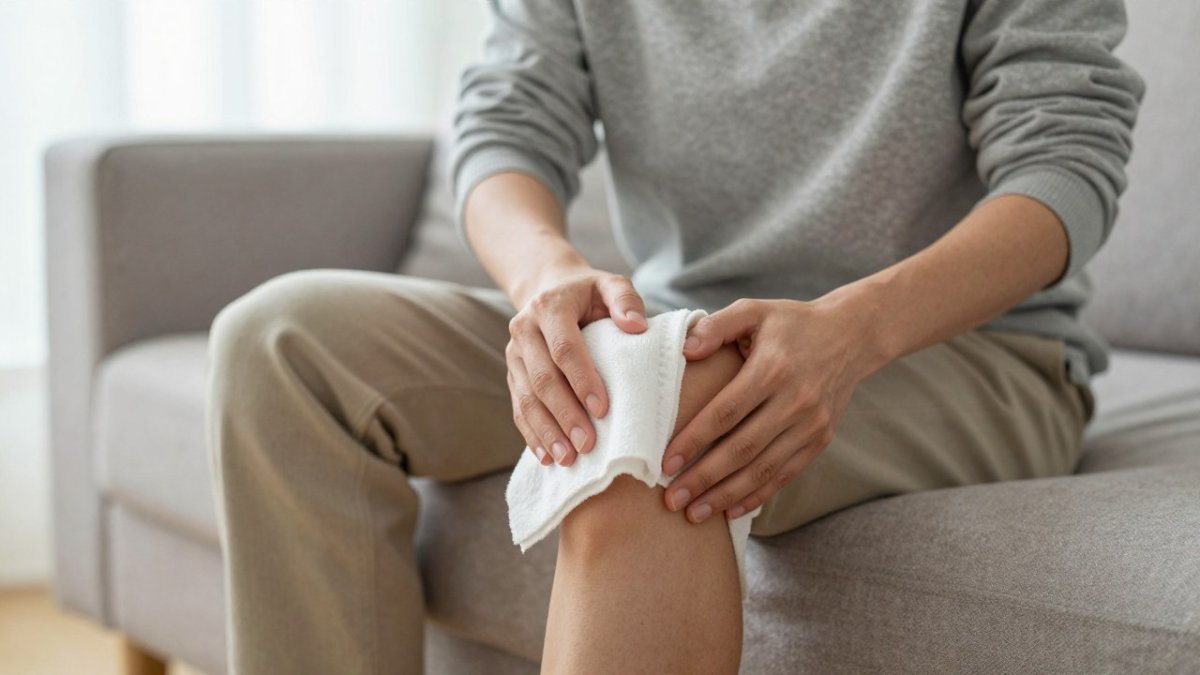
Cold packs are commonly used for acute swelling and sharp pain, usually for 10 to 15 minutes at a time (Ice and heat treatment). Warm compresses or a warm bath are commonly used to ease stiffness before activity.
Watch out: Never place ice directly on skin, and avoid heat on a joint that looks swollen or red.
Movement, Mobility and Low-Impact Exercise
Gentle movement keeps joints flexible. Water walking, cycling, tai chi, and short stretching sessions are low-impact choices. Aim for movement most days rather than one hard workout. Stop if pain increases sharply.
Mobility work also helps. Slow circles, gentle knee bends, and controlled range-of-motion drills support joint function over time.
Step 4: Evaluate Natural Supplements for Joint Pain Safely
Supplements are where natural joint care most often goes wrong, not because the ingredients are dangerous in themselves, but because people combine them with prescription drugs, take them at unclear doses, and buy products that do not contain what the label claims. A safety-first approach means understanding what each supplement is supposed to do, what it can interact with, and how to judge whether it is helping.
What the common options actually do:
- Glucosamine and chondroitin. These are building blocks of cartilage. Research results on glucosamine and chondroitin have been mixed. A typical trial period is 8 to 12 weeks before deciding whether to continue.
- Omega-3 fish oil. EPA and DHA reduce production of inflammatory signaling molecules. Fish oil can increase bleeding risk at higher doses, which matters for anyone on warfarin, apixaban, rivaroxaban, or daily aspirin.
- Turmeric (curcumin). Curcumin is studied for its effects on inflammatory pathways. Curcumin can interact with blood thinners and may affect blood sugar in people with diabetes.
- Boswellia. Used traditionally for joint comfort; evidence is limited and product standardization varies widely.
- Collagen. A protein source; some people report improved joint comfort, but evidence is preliminary and dosing is not standardized.
- Tart cherry extract. Contains anthocyanins with antioxidant activity; small studies suggest possible benefit for gout and exercise-related soreness, but it is not a substitute for gout medication.
Interactions to raise with a pharmacist before starting anything:
- Blood thinners (warfarin, apixaban, rivaroxaban, dabigatran, aspirin, clopidogrel), fish oil, curcumin, ginger, garlic, and ginkgo can all add to bleeding risk.
- Diabetes medications, curcumin, cinnamon, and chromium can lower blood sugar and compound the effect.
- Blood pressure medications, some herbal products can raise or lower blood pressure unpredictably.
- Immunosuppressants and chemotherapy drugs, many herbals alter how the liver processes these medications.
- NSAIDs such as ibuprofen or naproxen, combining them with certain supplements can increase stomach or kidney risk.
Product quality and dosing uncertainty. In the United States, dietary supplements are regulated by the FDA under a framework distinct from prescription drugs. Consult the FDA’s official guidance for current details on supplement regulation. Look for those seals, and prefer products that list a specific standardized extract and a clear amount per serving rather than a proprietary blend.
A practical safe-use checklist:
- Tell your doctor and pharmacist every supplement you take, including dose and frequency.
- Start one new product at a time so you can tell what caused a change, good or bad.
- Keep the original bottle so you can show the exact product and lot number if a problem arises.
- Stop and call a provider if you notice unusual bruising, nosebleeds, stomach upset, rash, or new symptoms.
- Do not stop prescription medications on your own in favor of a supplement.
Watch out: “Natural” does not mean interaction-free. Herbal products can interact with prescription medications, so check with a pharmacist or doctor before combining them.
Supplements are a possible addition to a broader plan, not a replacement for diagnosis or prescribed treatment. If you are managing a chronic condition or taking multiple medications, a short conversation with a pharmacist is the fastest way to screen for problems before you spend money on a product.
Step 5: How to Reduce Joint Inflammation Quickly and Track What Works
Some people find that rest, cold packs, gentle movement, and avoiding triggers that flare symptoms help in the short term. Lasting change takes longer.
Tracking is what makes natural care work. Rate your pain and stiffness each day on a scale of 0 to 10. Note sleep, food, activity, and any supplement or remedy you used. After two to four weeks, look for patterns.
| Approach | Typical Time to Notice Effect | What to Track |
|---|---|---|
| Heat or cold | Same day | Pain score before and after |
| Anti-inflammatory eating | 3 to 6 weeks | Morning stiffness |
| Low-impact exercise | 2 to 4 weeks | Range of motion |
| Supplements | 4 to 12 weeks | Pain score and side effects |
Keep what helps and drop what does not. Small, steady changes are easier to maintain than an overhaul.
Step 6: Combine Approaches and Book Your Next Evaluation in San Antonio
The best plan for joint inflammation usually mixes several approaches. Pair diet changes with movement and sensible home care. Add professional support if symptoms persist. Moore Chiropractic offers personalized, gentle chiropractic care in San Antonio focused on mobility and long-term health.
If your symptoms have lasted several weeks or are getting worse, schedule an evaluation. Moore Chiropractic offers a complimentary evaluation and consultation for new patients.
Frequently Asked Questions
What is the strongest natural anti-inflammatory for joints?
No single natural option works for everyone, and research on most of them is limited or mixed. Omega-3 fatty acids from fish, a diet built around vegetables, fruit, legumes, whole grains and olive oil, and regular low-impact movement are commonly discussed in relation to joint health. Turmeric and ginger are also often discussed, though research on them is limited. Because supplements can interact with blood thinners and other medications, talk with your doctor or a qualified professional before starting one, and treat any single product as one part of a broader plan rather than a cure.
What is the fastest way to reduce inflammation in the joints?
For short-term flare-ups, the quickest self-care steps are rest from the aggravating activity, applying ice for about 15 to 20 minutes at a time with a cloth barrier, and using gentle heat later for stiffness. Gentle range-of-motion movement often helps more than complete rest. If swelling is marked, the joint is hot or red, or pain is severe or does not improve within a few days, arrange a medical evaluation rather than relying on home measures alone.
Can exercise help reduce joint inflammation?
Regular low-impact activity such as walking, cycling, swimming, water exercise and tai chi can support joint function, reduce stiffness and help maintain a healthy weight, which lowers mechanical stress on weight-bearing joints like the knees and hips. Start slowly, especially during a flare, and increase gradually. Exercise is most helpful as part of a consistent routine rather than a single session, and a physical therapist can design a program suited to your joints.
When should joint inflammation be evaluated by a healthcare professional?
See a healthcare professional if joint swelling, warmth or redness persists for more than a few days, if several joints are affected, if you have morning stiffness lasting more than about an hour, if you have fever or unexplained weight loss, or if pain limits daily activities or wakes you at night. These patterns can point to conditions that need proper diagnosis. Moore Chiropractic offers a complimentary evaluation for new patients.
Ready to take the next step? Contact Moore Chiropractic in San Antonio to schedule your complimentary evaluation and build a plan for managing joint inflammation naturally.