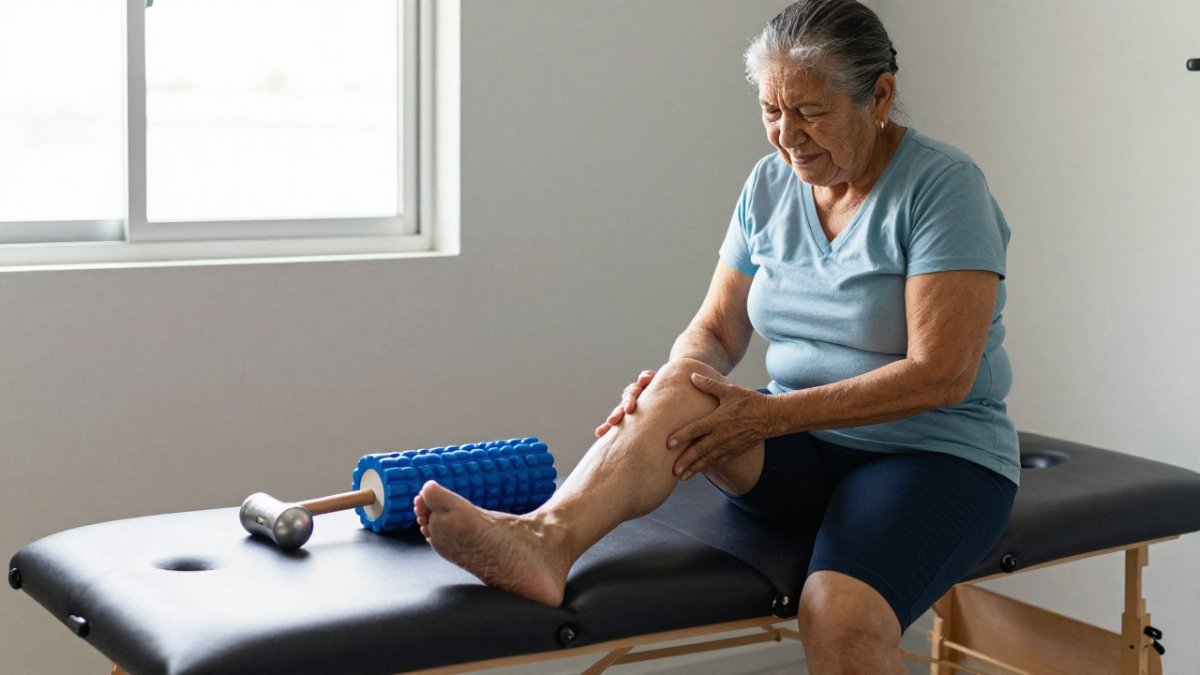
Last Updated: November 16, 2026
Quick Summary
Untreated ligament tears leave the knee joint mechanically unstable, and that instability slowly wears down the cartilage, meniscus, and surrounding tissue. Over years, the repetitive overload produces post-traumatic osteoarthritis that cannot be reversed. Each episode of giving way can also cause new cartilage or meniscus injury.
- Ligaments heal poorly because ligament tissue is relatively poorly vascularized, so torn ends fill with weaker scar tissue.
- The hallmark of chronic ACL deficiency is the knee giving way during pivoting, cutting, or stepping off a curb.
- In the first two to four weeks after injury, the priority is controlling swelling and restoring full knee extension.
- Candidates who tend to do well without surgery include people with low-demand daily activities and partial tears with a stable knee.
- Strengthen the hip and glute muscles, which control the thigh during landing and cutting.
Table of Contents
- What an Untreated Ligament Tear Does to the Knee Over Time
- Untreated ACL Tear Symptoms That Signal a Chronic Problem
- Long-Term Effects of ACL Tear Without Surgery: Arthritis and Joint Decline
- How Long Does an ACL Tear Take to Heal Without Surgery?
- Chronic ACL Tear Treatment: Options When Surgery Isn’t Chosen
- Diagnosis and Red Flags: When to Get a Knee Evaluated
- Protecting Joint Health and Preventing Secondary Injury
- Booking a Complimentary Knee Evaluation in San Antonio
- Frequently Asked Questions
What an Untreated Ligament Tear Does to the Knee Over Time
Untreated ligament tears leave the knee joint mechanically unstable, and that instability slowly wears down the structures that keep the joint healthy. The long-term effects of untreated ligament tears rarely show up overnight. They accumulate. (Source: National Institute of Arthritis and Musculoskeletal and Skin Diseases)
A knee ligament is a band of connective tissue that holds the thigh bone to the shin bone and controls how the joint rotates and glides. When one of those bands is torn, the joint keeps moving beyond its normal range, and the cartilage, meniscus, and surrounding tissue absorb forces they were never designed to handle.
Which Ligaments Are Most Commonly Affected
Four ligaments stabilize the knee, and each fails differently. The anterior cruciate ligament, or ACL, sits at the center of the joint and controls forward motion of the shin. It is the most frequently injured ligament in sports, and the one with the most studied long-term consequences. The posterior cruciate ligament handles backward motion and is injured less often, usually from a direct blow. On the sides of the knee, the medial and lateral collateral ligaments resist sideways bending.
Ankle ligament injuries follow a similar pattern. The lateral ankle ligaments are the most commonly sprained structures in the body, and repeated sprains without rehabilitation lead to recurrent instability. A torn ligament in either joint behaves the same way at the tissue level: it does not contract back together on its own when the gap is significant.
Why a Torn Ligament Doesn’t Simply Heal on Its Own
Ligaments heal poorly compared with muscle or bone, and the reason is blood supply. Ligament tissue is relatively poorly vascularized, so the inflammatory response that drives repair in other tissues arrives slowly and in smaller volume. When the torn ends stay separated, the body fills the gap with scar tissue rather than restoring the original collagen architecture.
That scar tissue is weaker and less elastic than the native ligament. It may reduce pain over time, which is exactly what makes an untreated tear so deceptive. The knee feels better while remaining mechanically loose. Our article on chiropractic treatment for soft tissue injury explains how hands-on care addresses that scar tissue and the surrounding joint restrictions.
Untreated ACL Tear Symptoms That Signal a Chronic Problem
Chronic ACL deficiency announces itself through a specific set of symptoms, and the pattern matters more than any single complaint. The hallmark is the knee giving way during pivoting, cutting, or stepping off a curb. Patients describe the joint “buckling” or “not trusting” it on stairs.
Persistent swelling that returns after activity, rather than settling permanently, points to ongoing joint irritation. Mild to moderate pain that lingers along the joint line, especially after strenuous exercise, is common.
Watch out: many people treat a single episode of giving way as a fluke and return to sports too quickly. Each episode of instability can cause a new cartilage or meniscus injury, which is why the symptom deserves a proper evaluation rather than rest and hope.
Long-Term Effects of ACL Tear Without Surgery: Arthritis and Joint Decline
The long-term effects of ACL tear without surgery center on one outcome: post-traumatic osteoarthritis. When the knee remains unstable, the cartilage surfaces experience abnormal shear and compression with every step. Over years, that repetitive overload produces degenerative changes that cannot be reversed.
The timeline is well documented in orthopedic literature. Osteoarthritis is a recognized long-term risk after chronic ACL deficiency. The American Academy of Orthopaedic Surgeons notes that joint degeneration after ACL injury is common even when surgery is performed, and the risk rises when instability goes unaddressed.
The cascade typically runs in this order:
- Ligament failure creates abnormal joint motion
- Recurrent instability episodes damage the meniscus and articular cartilage
- Cartilage loss narrows the joint space and irritates the joint lining
- Osteoarthritis develops, bringing chronic pain, stiffness, and reduced physical function
- Activity level drops, which weakens the muscles that protect the joint
Meniscus tears deserve special attention here. A meniscus that tears as a result of instability removes a shock-absorbing surface from the knee, and that loss accelerates cartilage damage.
The cascade from an unstable knee to joint degeneration typically runs in this order.
| Stage | What Happens |
|---|---|
| 1 | Ligament failure creates abnormal joint motion |
| 2 | Recurrent instability damages meniscus and articular cartilage |
| 3 | Cartilage loss narrows joint space and irritates joint lining |
| 4 | Osteoarthritis develops with chronic pain, stiffness, reduced function |
| 5 | Activity level drops, weakening the muscles that protect the joint |
How Long Does an ACL Tear Take to Heal Without Surgery?
An ACL tear does not heal in the sense of restoring a normal ligament, and nonoperative care is not a waiting game.
In the first two to four weeks after injury, the priority is controlling swelling and restoring full knee extension. A knee that cannot fully straighten changes the way the quadriceps fire and alters gait, and those compensations can persist if they are not corrected early.
From roughly four weeks to three months, the focus shifts to progressive strengthening of the quadriceps, hamstrings, glutes, and hip musculature, along with balance and proprioceptive training. This is the phase where the distinction between an untreated injury and appropriate nonoperative care becomes clear. An untreated tear is one where the person simply avoids the knee, loses strength, and returns to the same activities without rebuilding dynamic stability. Appropriate nonoperative care is structured, monitored, and progressed, and it is the difference between a knee that feels better and a knee that is actually protected.
The ligament itself remains altered, and that is the honest limitation of nonoperative care. The goal is not to restore the native ligament but to build enough dynamic stability that the knee does not rely on the torn structure.
Several factors influence how an untreated or nonoperatively managed ACL tear behaves over months and years. Tear severity matters: a partial tear with a stable knee on examination has a different prognosis than a complete tear with a positive pivot shift.
Watch out: a common mistake is to judge recovery by pain alone. A knee can be pain-free and still mechanically loose, and returning to pivoting sports on a loose knee is how secondary injuries happen.
Chronic ACL Tear Treatment: Options When Surgery Isn’t Chosen
Chronic ACL tear treatment without surgery is a legitimate path, and it works best when it is structured rather than passive. The goal is to build dynamic stability: the muscles, tendons, and movement patterns that take over the job the ligament can no longer do.
A typical nonoperative program includes:
- Progressive strengthening of the quadriceps, hamstrings, and hip musculature
- Balance and proprioceptive training to restore joint position sense
- Manual therapy to address joint restrictions and soft tissue restrictions
- Activity modification that removes high-risk pivoting until stability is restored
- A structured return-to-sport progression rather than a calendar-based one
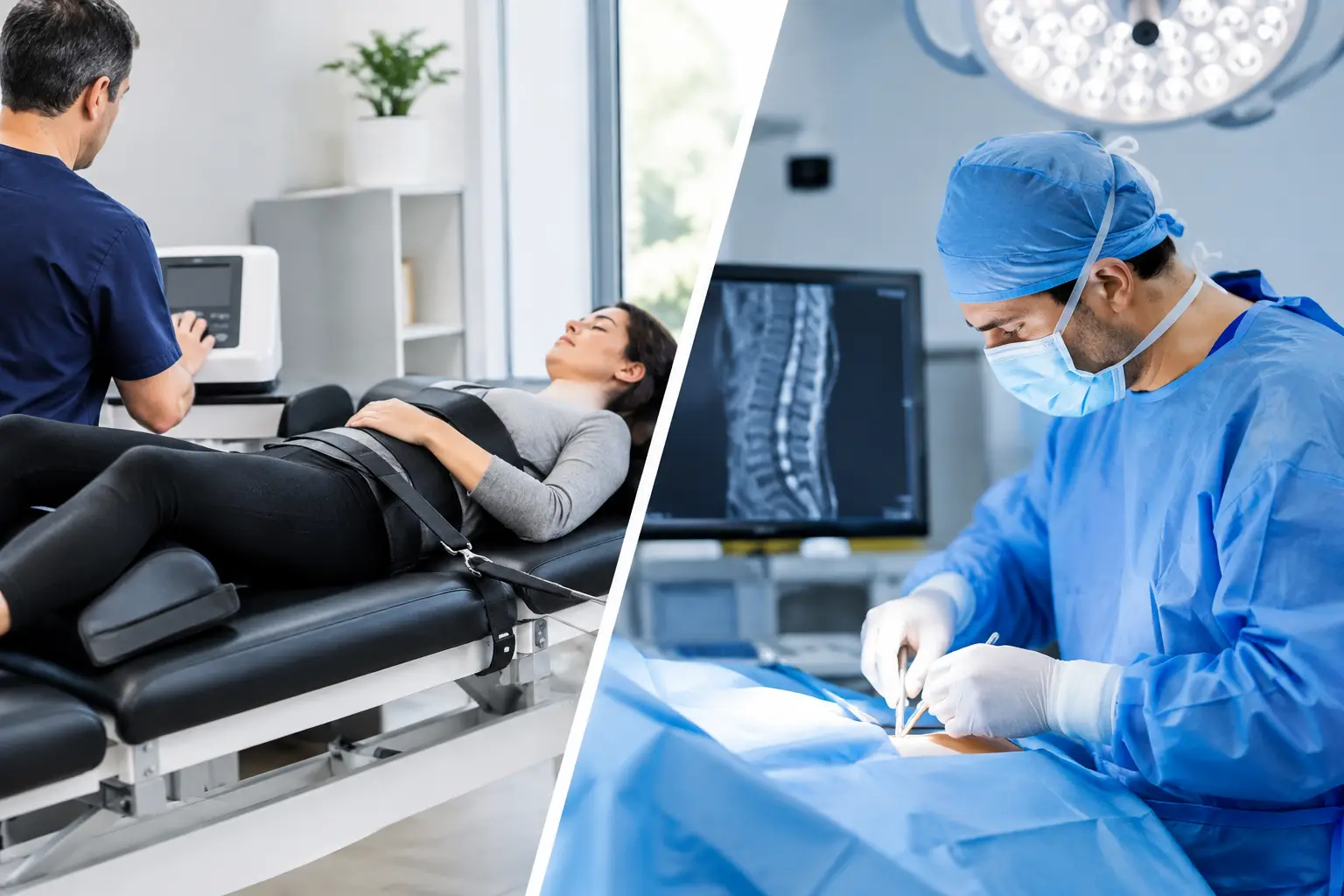
Candidates who tend to do well without surgery include people with low-demand daily activities, those with partial tears and a stable knee on examination, and patients who commit to a consistent rehabilitation program. If you are weighing the two paths, our comparison of chiropractic versus surgery for torn ligaments lays out the trade-offs directly.
Diagnosis and Red Flags: When to Get a Knee Evaluated
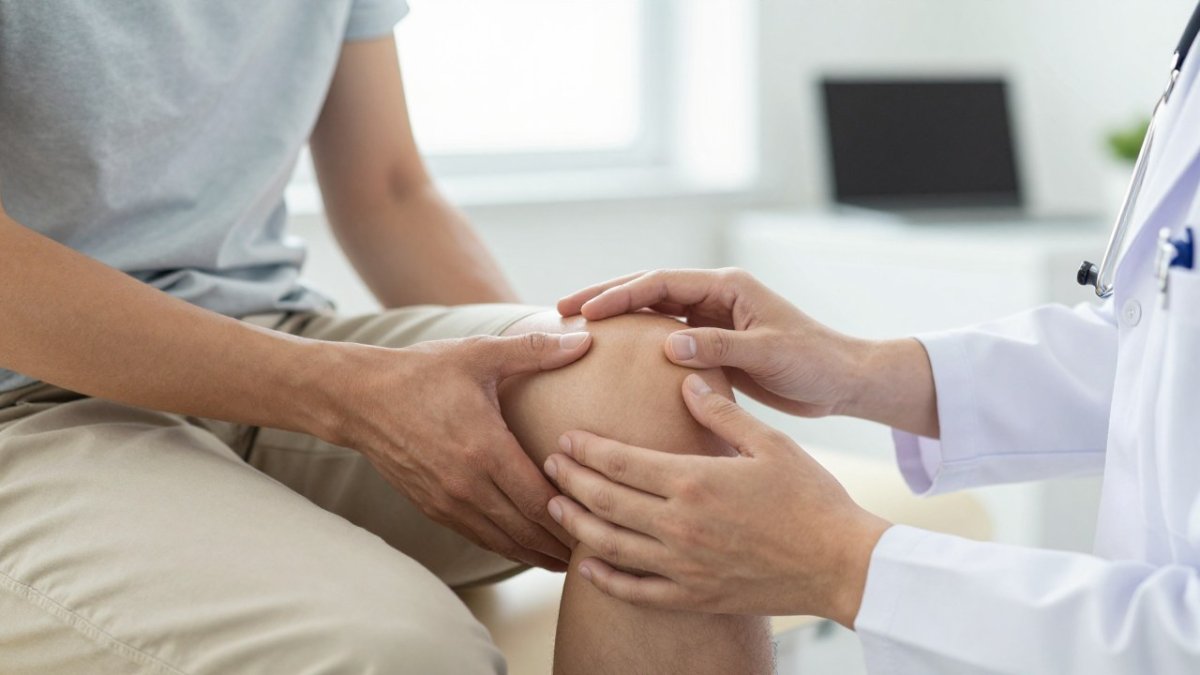
A clinical evaluation for ligament injury involves more than a single test. The National Institute of Arthritis and Musculoskeletal and Skin Diseases outlines how ligament injuries are classified by severity, which guides whether nonoperative care is reasonable.
If you are unsure whether your symptoms warrant care, our guide to the signs you need a chiropractic evaluation covers the warning signs that should not wait.
Protecting Joint Health and Preventing Secondary Injury
Protecting a knee with a chronic ligament injury comes down to controlling load and building the support system around the joint. Every episode of giving way risks new cartilage and meniscus damage, so the first priority is avoiding the movements that provoke instability until strength and control improve.
Practical steps that make a measurable difference:
- Strengthen the hip and glute muscles, which control the thigh during landing and cutting
- Maintain calf and ankle mobility, since ankle stiffness changes how force travels up the leg
- Wear supportive footwear appropriate to your activity
- Progress training volume gradually rather than in spikes
- Address swelling early instead of training through it
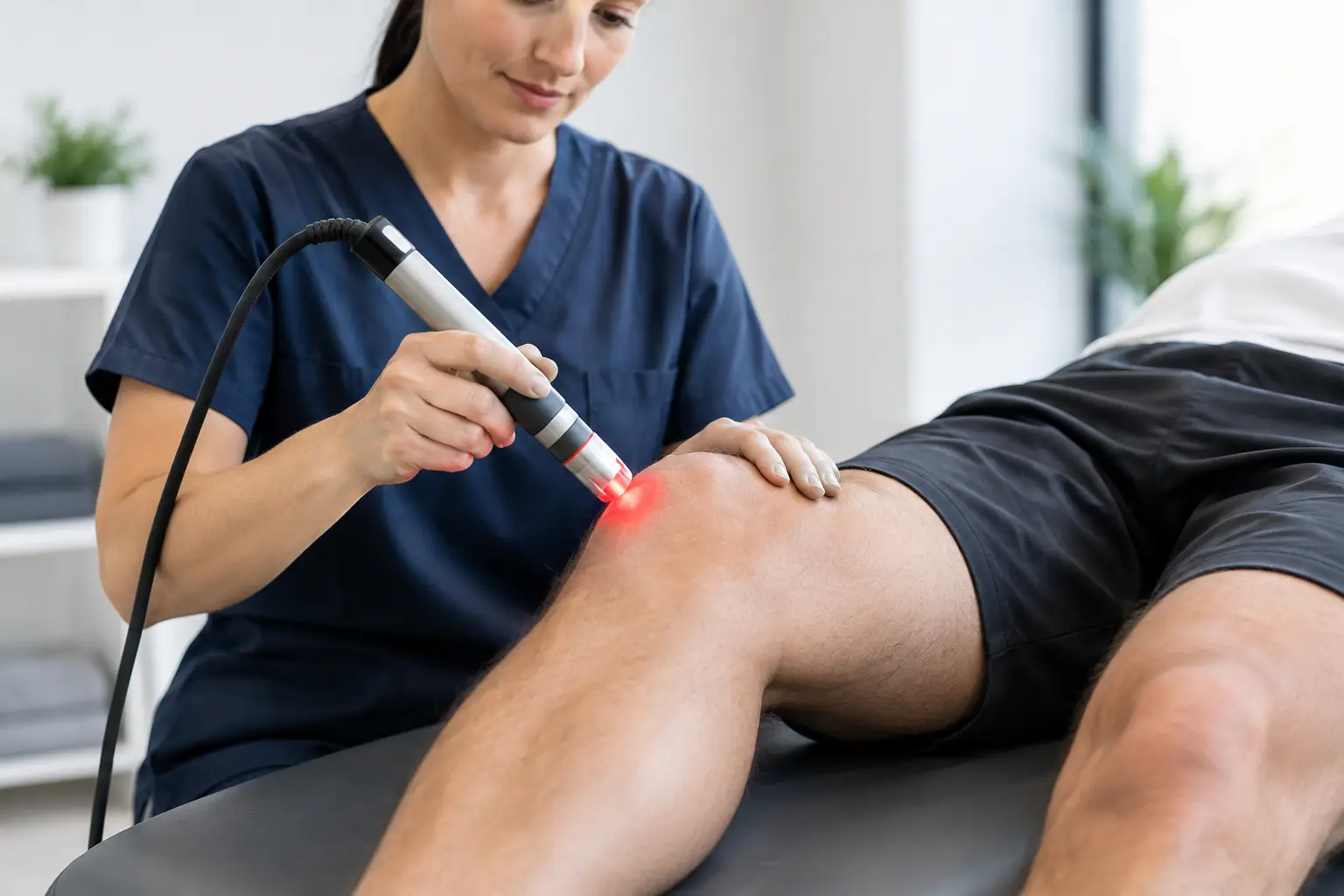
Non-invasive options can complement rehabilitation. Our overview of laser therapy for knee pain explains how it fits into a personalized recovery plan for active patients. We also track why early intervention matters for sports injuries, because the window for preventing secondary damage is widest right after the injury.
Booking a Complimentary Knee Evaluation in San Antonio
A knee that gives way, swells repeatedly, or aches after activity deserves a real assessment rather than another week of waiting. Moore Chiropractic offers a complimentary evaluation and consultation for new patients.
Our approach is gentle and personalized, and we combine traditional and advanced chiropractic methods to support mobility and long-term health.
San Antonio residents dealing with knee instability, chronic pain, or a nagging injury from years ago can book a complimentary evaluation and get clarity on what comes next.
A knee ligament tear that never got proper care does not stay the same, and it does not quietly resolve. The joint adapts, and usually not in your favor. If you have been managing a knee injury on your own, the most useful thing you can do is find out exactly what you are dealing with.
Frequently Asked Questions
What happens if a ligament tear goes untreated?
An untreated ligament tear leaves the joint without its normal stabilizing support. That can lead to recurrent instability, episodes of the knee giving way, persistent swelling, and ongoing mild to moderate pain. Over time, the unstable joint places extra stress on cartilage and the meniscus, raising the risk of secondary injury and progressive degenerative changes. Many people function for years before symptoms build, which is why a tear is easy to underestimate.
Can an untreated ligament tear cause arthritis?
Yes. Joint instability from an untreated tear changes how weight and force move through the knee, and that altered loading is linked to post-traumatic arthritis. Research on ACL injuries links these injuries to a meaningful long-term risk of osteoarthritis. Cartilage damage and meniscus tears at the time of injury raise that risk further, so early evaluation matters.
How long does an ACL tear take to heal without surgery?
There is no fixed timeline, and a complete ACL tear does not heal back to its original structure on its own. Some people with partial tears or low-demand activity levels manage symptoms with rehabilitation over several months, while others remain unstable. Recovery depends on injury severity, activity level, and whether cartilage or meniscus damage is present. A clinician can assess stability and help set realistic expectations for nonoperative treatment.
How do you know if an ACL tear is chronic?
A chronic ACL tear is one that has gone untreated long enough that symptoms persist or recur, often marked by repeated episodes of the knee giving way, ongoing swelling, and reduced sports participation. Some people describe a sense of instability during daily activities. Diagnosis typically involves a physical exam plus imaging such as MRI. If you have recurring instability after an old knee injury, a follow-up evaluation can clarify what is happening.