
Table of Contents
- Understanding Chronic Neck Strain and Its Root Causes
- Non-Invasive Neck Pain Treatment Options
- Chiropractic for Long-Term Pain Relief
- Chronic Neck Pain Exercises for Mobility
- Ergonomics, Posture, and Self-Care Strategies
- When to Seek Professional Help
- Getting Started With Your Relief Plan
Understanding Chronic Neck Strain and Its Root Causes
Chronic neck strain develops when muscles, tendons, and ligaments in the cervical spine experience prolonged tension or repetitive stress. Unlike acute injuries, chronic neck pain builds gradually over months or years from postural habits, work environments, or muscle imbalances. Relief requires understanding what’s driving the problem, not just treating the symptom.
The most common culprits are desk work, forward head posture, and stress-related muscle tension. When your head tilts forward even slightly, the cervical spine absorbs exponentially more load, a 12-pound head can feel like 27 pounds when tilted 15 degrees forward (peer-reviewed research). That sustained strain compounds over time, creating inflammation, muscle fatigue, and nerve irritation.
Other frequent causes include poor sleeping position, weak neck stabilizer muscles, repetitive motions, and trauma from motor vehicle accidents. Whiplash injuries, even minor ones, can trigger months of lingering cervical pain if soft tissue damage isn’t properly rehabilitated. Stress amplifies the problem by triggering muscle guarding that restricts range of motion and perpetuates the pain cycle.
At Moore Chiropractic in San Antonio, we work with patients who’ve had chronic neck pain for years, often cycling through treatments that provided temporary relief but never addressed underlying mechanical dysfunction. The key to lasting results is identifying whether your strain stems from postural habits, muscle weakness, joint dysfunction, or a combination of factors.
Most people don’t realize that chronic neck strain rarely resolves on its own. The body adapts to poor positioning by strengthening muscles in compensatory patterns, which locks in the dysfunction. Early intervention prevents this adaptation from becoming entrenched.
Non-Invasive Neck Pain Treatment Options
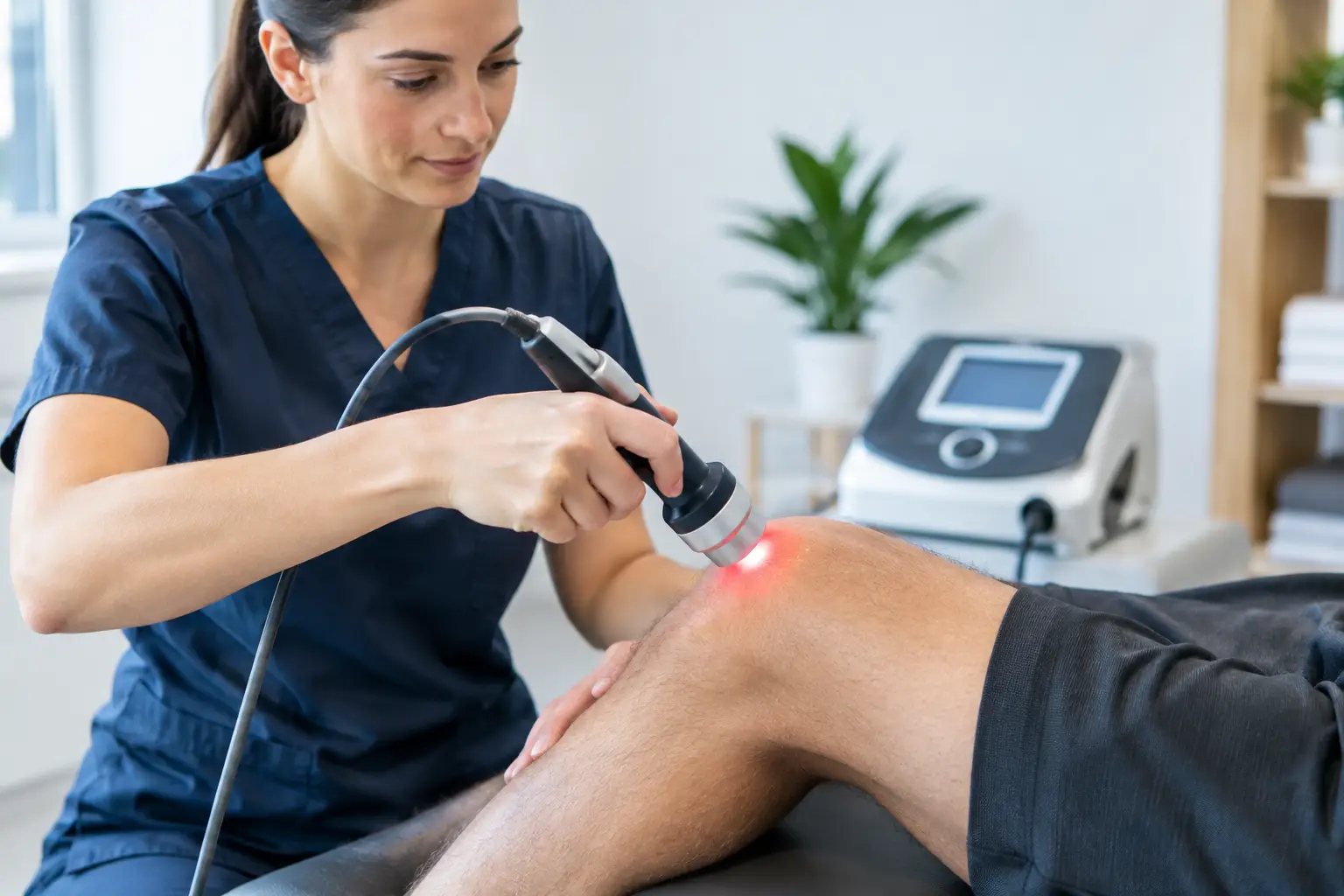
Non-invasive treatment remains the first-line approach for chronic cervicalgia. These methods address inflammation, restore mobility, and rebuild stability without surgical risk. The most effective strategies combine manual therapy, therapeutic exercise, and behavioral modification.
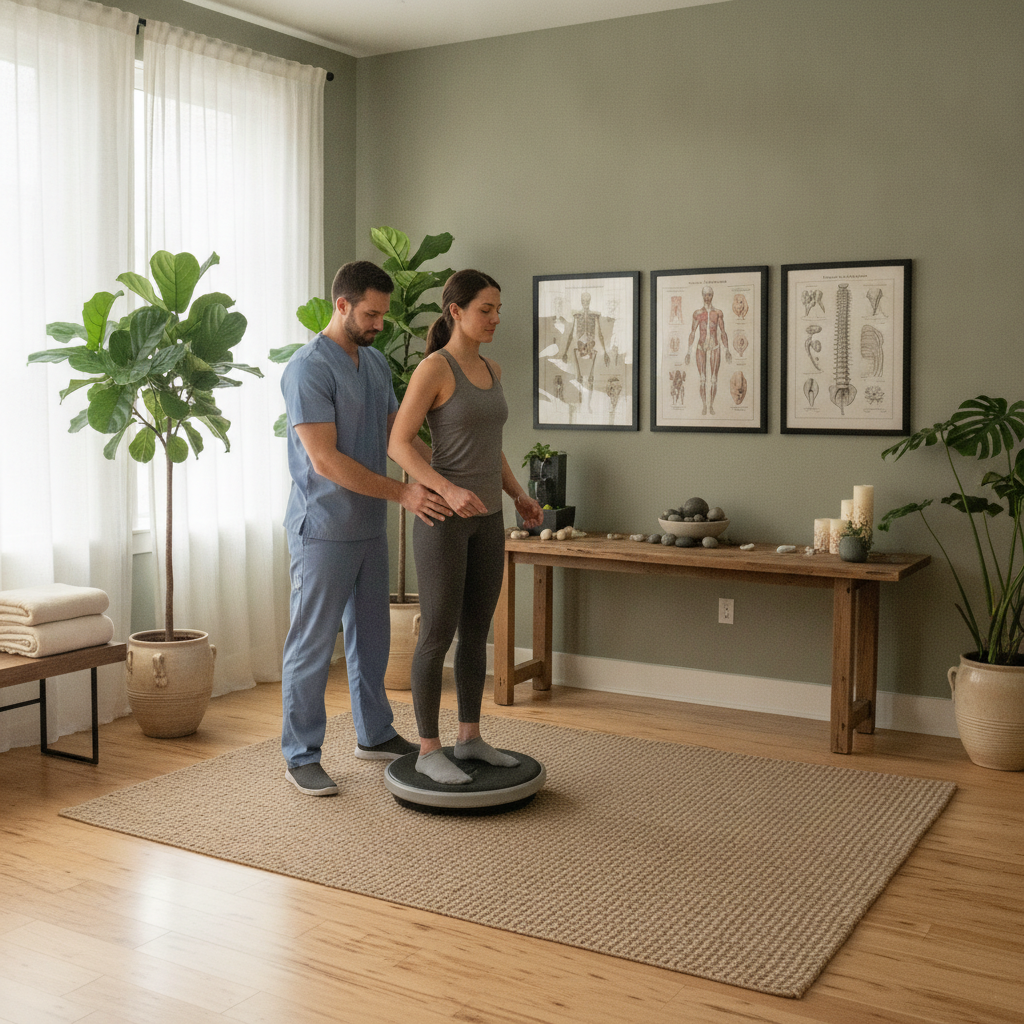
Physical therapy focuses on restoring range of motion and strengthening weak stabilizer muscles. A skilled therapist assesses your cervical spine mechanics, identifies movement restrictions, and designs progressive exercises. Significant improvements typically appear within 2-4 weeks of consistent work, and you develop tools for independent use (peer-reviewed research).
Heat and ice therapy manage inflammation effectively. Heat increases blood flow and relaxes muscle tension for chronic stiffness; ice reduces inflammation after activity or when swelling is present. Alternating between the two often produces better results than relying on one approach exclusively.
Anti-inflammatory medications, when used strategically, can reduce pain enough to allow therapeutic exercise to be effective. Over-the-counter options like ibuprofen work best for acute flare-ups rather than daily chronic pain management. The goal is using medication as a temporary bridge while addressing the mechanical problem, not as a permanent solution.
Trigger point therapy targets muscular knots that restrict movement and refer pain. A practitioner applies sustained pressure to tight muscle bands, gradually releasing tension. Self-massage tools can supplement professional treatment between appointments.
Avoid aggressive manipulation or forcing range of motion when you have acute cervicalgia. Pushing through sharp pain can inflame already-irritated tissues and set recovery back weeks. Gentle, progressive work produces better long-term outcomes.
Chiropractic for Long-Term Pain Relief
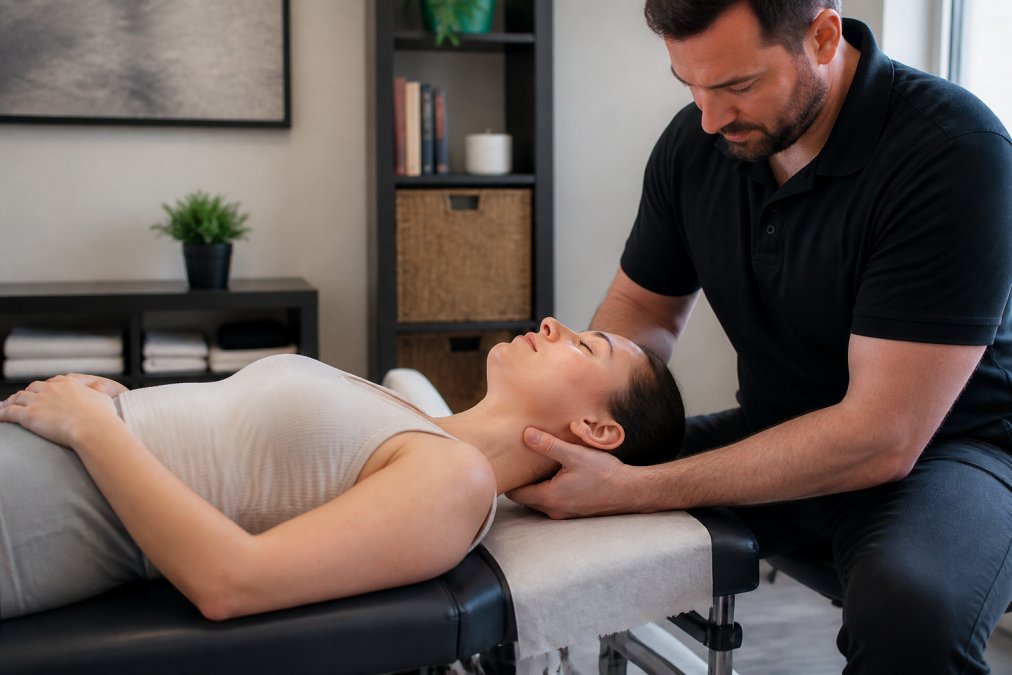
Chiropractic care addresses structural dysfunction in the cervical spine that other treatments might miss. When vertebrae lose proper alignment, they restrict nerve function and create compensatory muscle tension. Chiropractic adjustment restores proper joint mechanics, reducing nerve irritation and allowing muscles to relax.
The approach differs from other treatments because it targets joint dysfunction directly. Physical therapy strengthens muscles; medications reduce inflammation; but chiropractic manipulation restores the movement pattern itself. For many patients, this combination produces relief that neither approach alone achieves.
Modern chiropractic techniques prioritize patient comfort and safety, using controlled adjustments tailored to your specific condition. For chronic neck strain, low-force techniques often work as well as traditional manipulation while reducing patient anxiety.
Moore Chiropractic specializes in personalized care plans combining chiropractic adjustment with exercises and ergonomic counseling. The goal isn’t short-term pain relief but restoring function so you don’t need frequent visits indefinitely. Chiropractic works best when combined with patient compliance. If you return to the same postural habits or muscle weakness that created the problem, relief will be temporary.
Chronic Neck Pain Exercises for Mobility
Exercise is essential for lasting relief from chronic neck strain. Therapeutic movement restores range of motion, strengthens stabilizer muscles, and breaks the pain-tension cycle. Start gently and progress gradually, aggressive exercise during acute flare-ups can worsen symptoms.
Daily Stretches and Range-of-Motion Work
Gentle stretching improves flexibility and reduces muscle tension. Hold each stretch for 20-30 seconds and repeat 2-3 times daily, especially after prolonged desk work.
Neck flexion and extension: Slowly lower your chin toward your chest, feeling a gentle stretch in the back of your neck. Then slowly tilt your head back. This mobilizes the cervical spine through its full forward-backward range.
Lateral neck flexion: Tilt your right ear toward your right shoulder without rotating your head. Repeat on the left side. This addresses side-to-side mobility that desk workers often lose.
Neck rotation: Slowly turn your head to look over your right shoulder, holding a gentle stretch. Repeat on the left. Poor rotation often precedes chronic neck strain.
Shoulder shrugs and rolls: Lift shoulders toward ears, hold briefly, then release. Roll shoulders backward in slow circles. This relieves tension in the upper trapezius, which connects the shoulder to the neck.
Chin tucks: Gently draw your chin straight back, creating a double chin appearance. This activates deep neck flexors and corrects forward head posture. Hold for 5 seconds, repeat 10 times.
Consistency matters more than intensity. Five minutes of daily stretching produces better results than 30 minutes once weekly.

Strengthening Exercises for Neck Stability
Weak stabilizer muscles allow excessive motion in the cervical spine, creating instability and pain. Strengthening these deep muscles provides support and reduces compensatory tension.
Isometric neck exercises: Place your hand against your head and push your head against your hand without moving. Hold for 5 seconds in four directions: forward, backward, left, and right. Repeat 10 times each direction.
Resistance band exercises: Loop a resistance band around your head and perform gentle pulling motions in multiple directions. Start with light resistance and increase gradually over weeks.
Prone cobra holds: Lie face-down, place hands under shoulders, and gently push your chest up while keeping your pelvis on the floor. Hold for 10-20 seconds. Perform 3 sets.
Wall angels: Stand with your back against a wall, arms at 90 degrees with elbows bent. Slowly raise your arms up the wall, then lower. This builds shoulder and upper back strength, reducing compensatory neck tension.
Begin strengthening exercises only after acute pain subsides. Perform them 3-4 times weekly with at least one rest day between sessions. Progress gradually, adding resistance or repetitions weekly rather than making large jumps.
The most effective neck pain recovery combines three elements: restoring mobility through stretching, building strength through resistance work, and addressing the postural habits that created the problem initially.
Ergonomics, Posture, and Self-Care Strategies
Your work environment and daily habits either support or undermine your recovery. Chronic neck strain rarely resolves if you return to the same postural patterns that created it.
Monitor positioning: Your screen should be at eye level when sitting upright. The top of your screen should align with your eye line. This single adjustment eliminates forward head posture for most desk workers.
Chair height and support: Your chair should support the natural curve of your spine with feet flat on the floor and knees at 90 degrees. Lumbar support is critical, poor lower back positioning forces your neck to compensate.
Keyboard and mouse placement: Keep your keyboard and mouse close to your body. Your elbows should rest at 90 degrees with forearms parallel to the floor. This neutral positioning distributes load evenly across your upper body.
Frequent position changes: Static posture, even perfect posture, creates fatigue. Change positions every 30 minutes. Movement prevents muscle fatigue and maintains circulation.
Sleep position: Sleep on your back or side, never on your stomach. Use a pillow that supports your neck’s natural curve.
Stress management: Chronic stress increases muscle tension, particularly in the neck and shoulders. Regular exercise, meditation, or relaxation practices reduce baseline muscle tension. Even 10 minutes daily of intentional relaxation measurably decreases cervicalgia (peer-reviewed research).
Phone and device habits: Use a headset or speakerphone for calls instead of holding your phone to your ear. Hold your phone at eye level when texting or take frequent breaks.
Self-care between professional appointments accelerates recovery. Consistent application of these strategies, proper ergonomics, daily stretching, strengthening exercises, and stress management, addresses the mechanical and behavioral factors that maintain chronic neck pain.
When to Seek Professional Help
Some neck strain improves with self-care alone. Other cases require professional assessment and treatment. Seek professional evaluation if you experience pain persisting beyond 2-3 weeks despite self-care, pain radiating into your arm or hand, numbness or tingling in your fingers, weakness in your arms or hands, severe morning stiffness, or pain following trauma.
Professional practitioners can identify structural problems that self-assessment misses. Imaging may be warranted if nerve involvement is suspected. A formal diagnosis guides appropriate treatment and prevents pursuing ineffective approaches.
Many patients in the San Antonio area benefit from a complimentary initial consultation. During this evaluation, a practitioner assesses your posture, range of motion, muscle strength, and pain patterns, explaining what’s driving your symptoms and outlining realistic timelines for improvement.
Red flags requiring urgent medical attention include severe sudden pain, loss of bladder or bowel control, significant weakness, or symptoms following head trauma. For typical chronic cervicalgia, conservative care through chiropractic or physical therapy is the appropriate first step.
Getting Started With Your Relief Plan
Relief for chronic neck strain 2026 begins with honest assessment of what’s causing your pain. Is it postural? Structural? Stress-related? Likely a combination. Your treatment plan should address each factor.
Start with self-care fundamentals: ergonomic corrections, daily stretching, and stress management. Many people experience meaningful improvement within 2-3 weeks. If you don’t, or if your symptoms are more severe, professional evaluation provides clarity.
When seeking professional care, look for practitioners who take time understanding your specific situation rather than applying a generic protocol. Your neck strain from desk work requires different treatment than strain from sports injury or motor vehicle accident.
Moore Chiropractic offers complimentary evaluations for new patients in San Antonio. During this consultation, Dr. Andrew Moore and the team assess your condition, explain what’s driving your symptoms, and outline a realistic path to relief.
Recovery from chronic neck strain is achievable. The process requires patience, lasting change takes weeks, not days, but the payoff is freedom from the constant discomfort that chronic cervicalgia creates.
| Strategy | Timeline | Frequency | Expected Outcome |
|---|---|---|---|
| Daily stretching and self-care | Weeks 1-4 | Daily | Improved mobility, reduced muscle tension |
| Ergonomic corrections | Ongoing | Continuous | Prevents symptom recurrence, supports recovery |
| Strengthening exercises | Weeks 2-8 | 3-4x weekly | Restored stability, reduced compensatory tension |
| Professional chiropractic care | Weeks 4-12 | 1-2x weekly | Restored joint function, significant pain reduction |
| Maintenance care | Ongoing | Monthly | Long-term stability and prevention |
Chronic neck strain responds well to treatment when you address the root cause rather than chasing temporary relief. At Moore Chiropractic, we combine chiropractic adjustment, therapeutic exercise, and ergonomic guidance to restore function and eliminate pain. Our personalized approach means you’re not following a generic protocol, your care plan targets the specific factors driving your symptoms. Contact us for your complimentary evaluation and discover how we can support your journey back to pain-free movement and peak physical performance.
Frequently Asked Questions
Q: What should I do if my neck strain won't go away?
A: Persistent neck strain often stems from repetitive posture issues, muscle tension, or underlying structural concerns. Start by assessing your daily habits: desk setup, phone use, and sleeping position. Apply ice or heat, perform gentle stretches, and take frequent breaks from static positions. If symptoms persist beyond two weeks or worsen, consult a healthcare professional for evaluation. A chiropractor can identify misalignments or muscle imbalances and create a personalized treatment plan combining adjustments, exercises, and ergonomic guidance to address the root cause rather than temporary relief.
Q: How can chiropractic care help with long-term neck strain relief?
A: Chiropractic for long-term pain relief focuses on correcting spinal misalignments and restoring normal function through adjustments, therapeutic exercises, and lifestyle modifications. Regular care addresses muscle tension, improves range of motion, and reduces nerve irritation. Unlike temporary fixes, a structured chiropractic approach builds strength and postural awareness to prevent recurrence. Treatment typically combines hands-on adjustments with home exercises and ergonomic counseling, helping patients maintain mobility and avoid chronic strain patterns that develop over months or years.
Q: Are there specific neck stretches recommended for chronic strain?
A: Yes. Chronic neck pain exercises for mobility include gentle lateral neck flexion (ear toward shoulder), chin tucks (drawing the chin back without tilting the head), and upper trapezius stretches (tilting the head to one side while applying gentle pressure). Perform each stretch for 20-30 seconds, holding without bouncing. Avoid aggressive movements that increase pain. Consistency matters more than intensity; three to five minutes of stretching twice daily is more effective than occasional intense sessions. A chiropractor can demonstrate proper form and adjust exercises based on your specific condition.
Q: What makes non-invasive treatments more effective than injections or surgery for chronic neck strain?
A: Non-invasive neck pain treatment San Antonio approaches address underlying causes rather than masking symptoms. Physical therapy, chiropractic adjustments, and exercises build strength and correct movement patterns, creating lasting change. Injections and surgical options carry risks, recovery time, and may not resolve the root biomechanical issue. Most chronic neck strain responds well to conservative care when applied consistently. Non-invasive methods also allow you to remain active during treatment and avoid potential complications. Professional evaluation determines whether your condition warrants these approaches or if more advanced intervention is necessary.
This article was written using GrandRanker