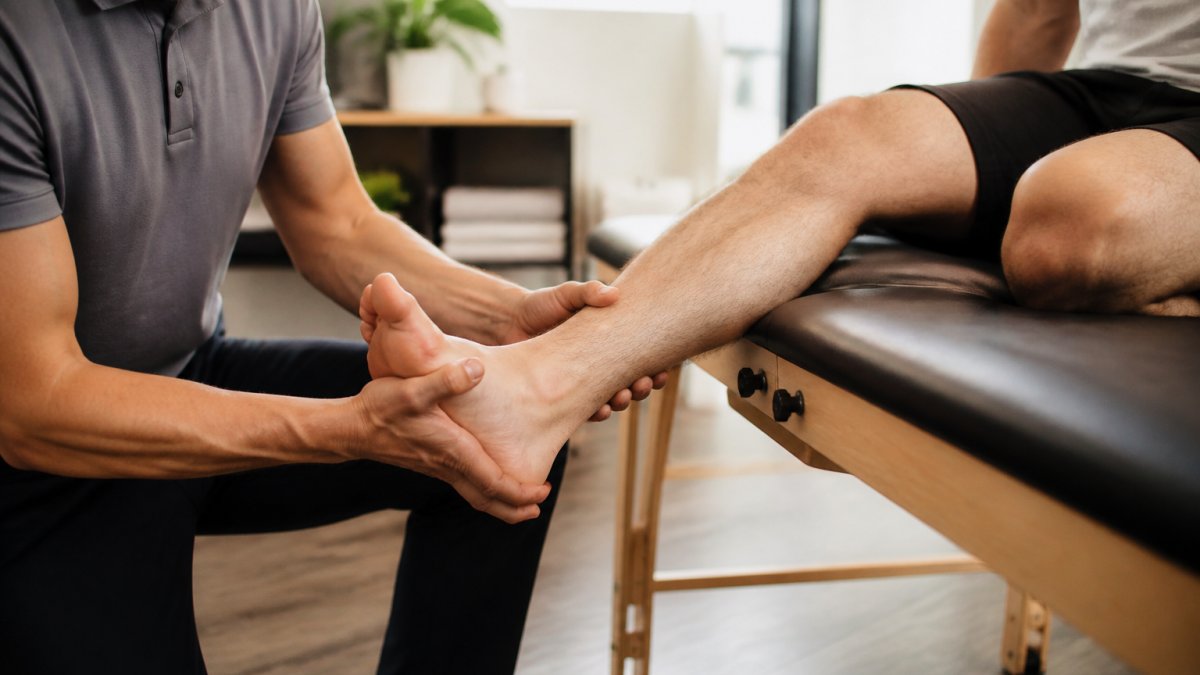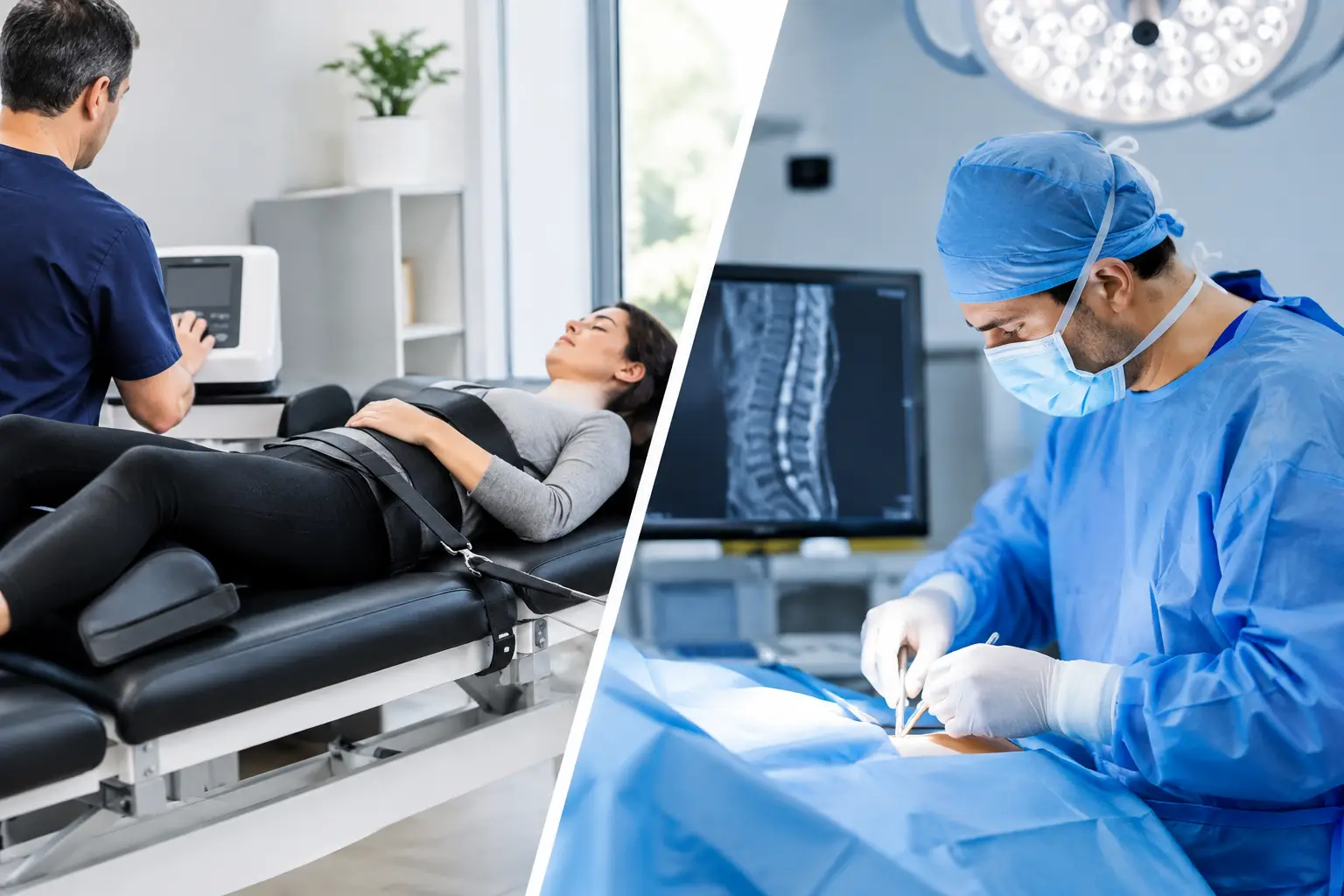
A pinched nerve can make ordinary moments feel like major obstacles. Sitting through a workday, getting in the car, lifting a child, or sleeping comfortably can become difficult when pain travels from the neck or low back into an arm or leg. When people start comparing spinal decompression versus surgery, they are usually looking for more than pain relief. They want to know what will help them move safely, avoid unnecessary procedures, and get their life back.
The right answer is rarely a simple either-or decision. It depends on your symptoms, physical exam, imaging when appropriate, response to conservative care, and whether there are signs that a nerve is under serious pressure. A thoughtful plan should look at the whole person, not just one image or one painful movement.
What Non-Surgical Spinal Decompression Is Designed to Do
Non-surgical spinal decompression is a form of traction therapy that uses controlled, gentle stretching of the spine. The goal is to reduce pressure within and around spinal discs and create more room for irritated nerve structures. It is often considered for people with disc-related back or neck pain, sciatica, radiating arm pain, or symptoms associated with certain disc bulges or herniations.
During treatment, the body is positioned on a specialized table while gentle traction is applied in cycles. Unlike simply hanging upside down or using a home traction device, clinical decompression uses measured force and positioning based on the area being treated. It is usually part of a broader conservative plan rather than a stand-alone fix.
That plan may also include gentle chiropractic care, movement recommendations, soft-tissue work, rehabilitation exercises, and guidance on daily habits that continue to aggravate the area. The aim is not only to settle symptoms but also to improve how the spine and surrounding muscles tolerate work, exercise, driving, and normal life.
Non-surgical decompression is not right for everyone. A careful provider may recommend against it for people with certain fractures, significant spinal instability, severe osteoporosis, spinal infection, cancer involving the spine, or other medical concerns. Pregnancy, prior surgery, implants, and advanced degenerative changes may also require a more individualized approach.
Spinal Decompression Versus Surgery: The Key Difference
The biggest difference is how each approach addresses pressure on a nerve.
Non-surgical decompression attempts to reduce mechanical stress and support the body’s recovery without an operation. Surgery physically changes anatomy to relieve pressure, such as removing part of a herniated disc, widening a narrowed spinal canal, or stabilizing a segment of the spine when needed.
Neither option should be viewed as automatically better. For many people with uncomplicated disc-related pain or sciatica, conservative care is a reasonable first step. Symptoms from a disc injury can improve over time, especially when the person stays appropriately active, receives targeted care, and avoids repeatedly provoking the irritated tissue.
Surgery can be highly valuable when there is a clear structural problem that matches the person’s symptoms and examination findings. It may provide faster or more reliable relief in selected cases, particularly when nerve function is worsening or pain remains truly disabling despite an appropriate course of non-surgical treatment.
The decision should not be based on an MRI report alone. Disc bulges, disc degeneration, and narrowing can appear on imaging in people who have no pain at all. What matters is whether the findings line up with your specific symptoms, strength, reflexes, sensation, and ability to function.
When Conservative Care May Be a Reasonable First Step
If your pain is present but stable, and you do not have significant or progressing muscle weakness, non-surgical care is often worth discussing. This is especially true when symptoms are recent, when pain changes with posture or activity, or when you can still walk and perform basic tasks despite discomfort.
A conservative plan gives your provider a chance to monitor how your body responds. Improvements may show up gradually: pain may travel less far down the leg, numbness may become less frequent, sleep may improve, or you may be able to sit, stand, and walk longer before symptoms begin.
Progress does not have to be perfectly linear. A flare after a long drive, a demanding shift, or a weekend of yard work does not necessarily mean treatment is failing. But the overall trend should be toward better function, not steadily worsening pain or weakness.
At Moore Chiropractic, care begins with listening closely to what your symptoms are keeping you from doing. A personalized evaluation can help determine whether gentle chiropractic care, decompression-based care, rehabilitative support, co-management with another provider, or a referral for further testing is the appropriate next step.
When Surgery May Be the Better Choice
There are situations where delaying surgical evaluation is not wise. Severe or progressive weakness is one of the most important. For example, a foot that repeatedly slaps the ground, increasing difficulty lifting the front of the foot, loss of hand strength, or worsening coordination may signal meaningful nerve involvement.
Urgent medical evaluation is also needed for new loss of bladder or bowel control, numbness in the groin or inner thighs, rapidly progressing weakness, fever with severe back pain, or pain after significant trauma. These symptoms can point to conditions that need prompt medical attention, not routine chiropractic or decompression care.
Surgery may also be considered when pain remains severe and limiting after a well-directed conservative treatment plan, especially if imaging and neurologic findings clearly identify a nerve being compressed. Common procedures vary by diagnosis. A discectomy may remove disc material pressing on a nerve, while laminectomy or similar procedures can create more space in a narrowed spinal canal. Fusion is generally reserved for specific situations involving instability, deformity, or other structural concerns.
Like any procedure, surgery has trade-offs. It may involve anesthesia, recovery restrictions, scar tissue, infection risk, blood clots, or the possibility that symptoms do not fully resolve. Some people experience excellent relief, while others still need rehabilitation and ongoing movement care afterward. A good surgical consultation should explain the expected benefit for your particular condition, the alternatives, and what recovery will realistically require.
Questions That Lead to a Better Decision
The most useful question is not, “Can I avoid surgery at all costs?” It is, “What is the safest and most effective next step for my body?”
Ask what structure is believed to be causing your symptoms and whether your exam supports that conclusion. Ask whether there is any nerve loss that makes a surgical opinion more time-sensitive. If conservative care is recommended, ask how progress will be measured and when the plan should be reconsidered.
It also helps to be clear about your goals. Someone hoping to return to construction work, competitive sports, long-distance driving, or caring for a young child may need a different recovery strategy than someone whose primary goal is being able to sleep and walk without pain. Your plan should account for the activities that matter to you.
Be cautious about guarantees in either direction. No provider can honestly promise that decompression will eliminate every disc problem or that surgery will erase every source of pain. Clear expectations, regular reassessment, and communication between the professionals involved are far more valuable than a one-size-fits-all answer.
A Path Forward That Respects Your Goals
Pain can make every decision feel urgent, especially when it affects your job, family, and independence. But urgency should lead to a thorough evaluation, not a rushed choice. The best plan is the one that takes your symptoms seriously, protects nerve health, and uses the least invasive approach that is appropriate for your condition.
If you are dealing with back pain, neck pain, sciatica, or radiating symptoms, start by getting clear answers about what is happening and what your body needs next. With the right guidance, you can move forward with more confidence and a plan built around lasting mobility, not simply getting through another painful day.