
When pain has lasted for months, even ordinary moments can require extra planning. Getting out of bed, sitting through a workday, driving across San Antonio, carrying groceries, or playing with your kids can feel like a negotiation with your body. Chronic pain is more than an ache that has overstayed its welcome. It can affect movement, sleep, mood, confidence, and the activities that make life feel like your own.
The encouraging news is that long-lasting pain does not mean you have to simply accept a smaller life. Understanding why pain continues, what may be contributing to it, and which forms of care fit your situation can help you move forward with more clarity.
What Is Chronic Pain?
Pain is generally considered chronic when it lasts longer than three months. It may begin after a car accident, a sports injury, repetitive work strain, surgery, pregnancy, or a period of inactivity. Sometimes there is a clear starting point. Other times, discomfort develops gradually until the body starts compensating in ways that create new problems.
Chronic pain may be felt in the low back, neck, shoulders, hips, knees, hands, or feet. It can also show up as recurring headaches, sciatica, numbness and tingling, muscle tightness, or pain that seems to move from one area to another. The location matters, but so does the way pain changes your ability to function.
A person with chronic back pain, for example, may begin avoiding bending and walking. Over time, that protective pattern can leave muscles weaker, joints stiffer, and movement more difficult. The original injury may have healed, but the body can remain guarded.
Why Chronic Pain Can Continue After an Injury
Pain is a signal, not a character flaw or a sign that you are weak. It is your nervous system’s way of asking for attention. With persistent symptoms, that signal can be influenced by several factors at once.
Muscles may stay tight around an irritated joint. Poor posture, repetitive lifting, long hours at a desk, and reduced mobility can place extra stress on tissues that are already sensitive. A past injury can change how you walk, sit, reach, or exercise, shifting strain to other parts of the body.
The nervous system can also become more protective after pain has been present for a long time. This does not mean the pain is “all in your head.” It means the body and brain may become more alert to signals from an area that has been injured or stressed. Poor sleep, ongoing stress, fear of movement, and limited activity can all make that cycle harder to break.
That is why a helpful care plan looks beyond one painful spot. It considers your movement, daily demands, injury history, habits, and goals. A warehouse worker with low back pain may need a different plan than a parent recovering after a car accident or an active adult whose shoulder pain is affecting workouts.
The Value of a Clear Evaluation
Before starting any treatment, it helps to understand what may be driving the problem. A thoughtful evaluation should include a conversation about when symptoms started, what makes them better or worse, prior injuries, work and activity demands, and the goals that matter most to you.
Movement testing can reveal where mobility is limited and where your body may be compensating. Depending on your symptoms, a provider may also recommend imaging, coordinate with your primary care physician, or refer you for additional medical evaluation. Chronic pain does not always have one simple cause, and good care should never pretend otherwise.
Some symptoms need prompt medical attention rather than a wait-and-see approach. Seek urgent care for new loss of bladder or bowel control, severe weakness, numbness in the groin area, chest pain, sudden trouble speaking, a severe unexplained headache, fever with significant back pain, or pain after a major trauma. These symptoms can point to conditions that require immediate medical treatment.
Chronic Pain Care Should Be Personal
There is no single treatment that works for every person with chronic pain. The best approach depends on the cause of symptoms, your health history, the severity of your limitations, and what you need to return to doing.
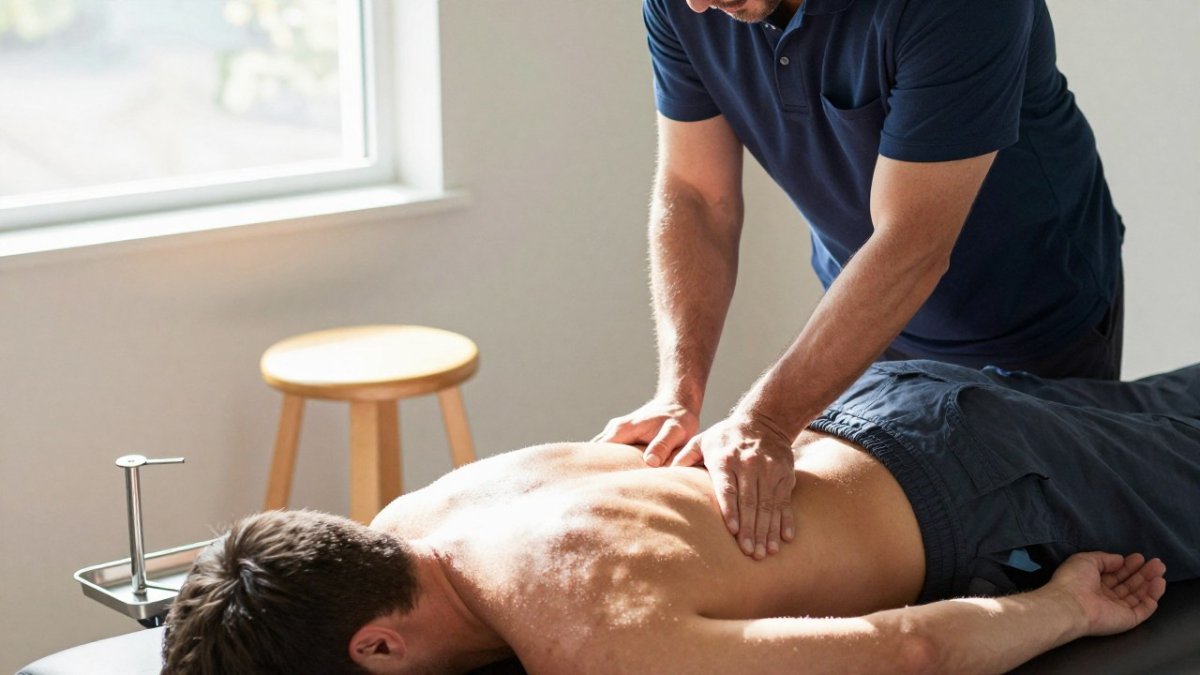
For many musculoskeletal concerns, conservative care can be a meaningful starting point. Gentle chiropractic adjustments may help restore motion in restricted joints and reduce mechanical stress that contributes to pain. This is not about forcing the body into a quick fix. The goal is to support healthier movement in a way that feels appropriate for you.
Soft-tissue work, guided mobility exercises, posture and ergonomic guidance, and gradual strengthening can also play an important role. If sitting aggravates your neck and shoulders, small changes to your workstation and regular movement breaks may matter as much as what happens during an appointment. If a knee or hip is painful, improving the way the surrounding joints and muscles work together may be part of the answer.
Some patients may benefit from therapies such as laser or red light therapy as part of a broader plan. These options are not a replacement for a proper diagnosis, movement restoration, or medical care when needed. They may be considered as supportive tools for certain people and conditions.
Medication, physical therapy, medical procedures, counseling, sleep support, or specialist care may also be appropriate. Personalized care means being honest about those trade-offs and recognizing when a team-based approach is in your best interest.
Relief Matters, but So Does Resilience
It is natural to want pain relief quickly. That goal matters. But when symptoms have been present for a long time, lasting progress often comes from building resilience as well as reducing discomfort.
Resilience can mean being able to turn your head while driving without fear, finish a shift with less stiffness, take a walk without paying for it the next day, or return to the gym with a plan that respects your current capacity. These changes may not happen all at once. Consistent, measured progress is still progress.
At Moore Chiropractic, care is centered on the person behind the symptoms. That means listening to what pain has interrupted, explaining findings in plain language, and creating a plan that supports mobility, recovery, and long-term physical health.
Everyday Habits That Can Support Recovery
Treatment works best when it fits into real life. You do not need a perfect routine to support your body, but a few dependable habits can make a difference over time.
Start with regular, comfortable movement. For one person, that may be short walks. For another, it may be gentle stretching, pool exercise, or a simple strengthening program. Pushing through sharp or worsening pain is not the goal. A better approach is to build tolerance gradually and adjust based on how your body responds over the next day or two.
Sleep deserves attention as well. Pain and poor sleep often feed each other. A consistent sleep schedule, supportive pillow or mattress setup, and less screen time before bed may help some people rest more comfortably. If pain is consistently disrupting sleep, bring that up during your evaluation. It is useful clinical information, not a side detail.
Nutrition, hydration, stress management, and recovery time also influence how the body feels and functions. They will not erase every source of pain, but they can support energy, tissue health, and your ability to stay active. Small changes are more likely to last than a complete lifestyle overhaul attempted during a painful week.
When to Stop Waiting on Chronic Pain
Many people delay care because they expect symptoms to fade on their own. Sometimes they do. But if pain is lasting beyond a few weeks, returning repeatedly, limiting sleep, affecting work, or causing you to avoid the activities you enjoy, it is reasonable to seek answers.
You do not have to wait until pain becomes unbearable to ask for help. A careful evaluation can help identify practical next steps, whether that involves chiropractic care, exercise guidance, coordination with another provider, or a combination of approaches.
Chronic pain may have changed your routine, but it does not have to decide what your future movement looks like. The right next step is often a conversation with someone who will listen, assess the full picture, and help you work toward a body that feels more capable again.