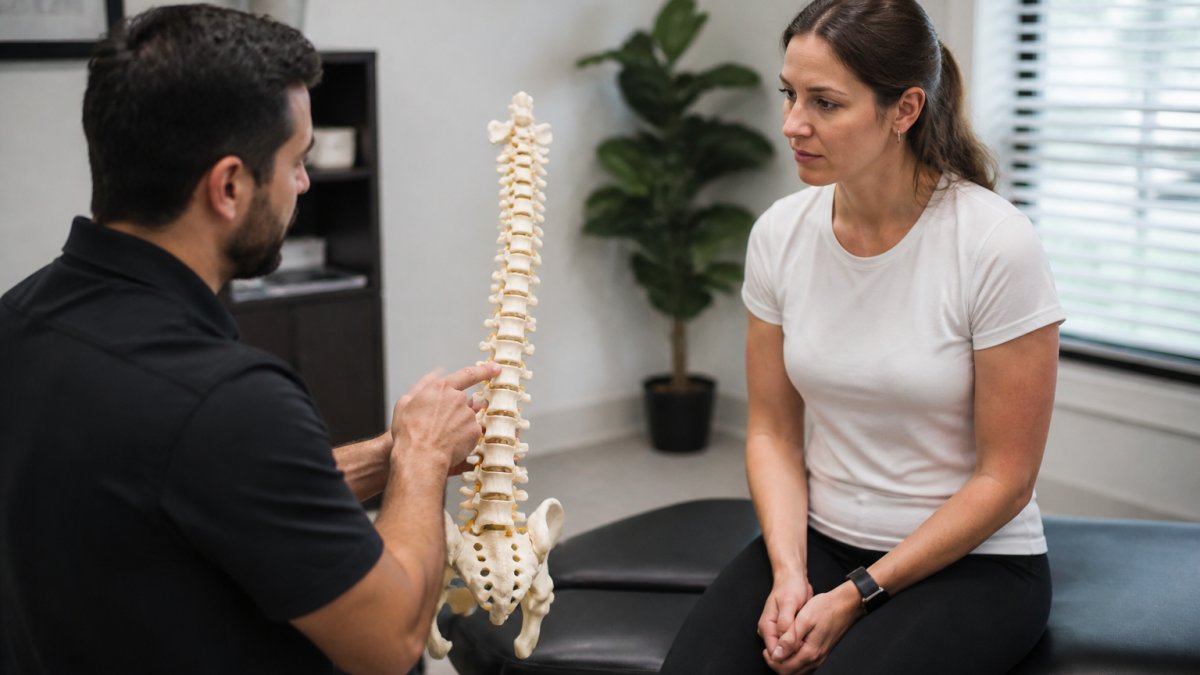

A stiff neck after a rear-end collision, low back pain that makes getting through a workday harder, or a shoulder that will not cooperate at the gym can leave you asking the same practical question: chiropractic versus physical therapy, which should you choose? The answer is not always one or the other. Both can support recovery, but they use different tools, emphasize different parts of the healing process, and may work especially well together for some patients.
At Moore Chiropractic, the goal is not to steer every concern into a single treatment approach. It is to understand what is limiting your movement, explain your options clearly, and create a care plan that helps you move with more confidence.
Chiropractic Versus Physical Therapy: The Main Difference
Chiropractic care focuses on the relationship between the spine, joints, nervous system, and the way your body moves. A chiropractor evaluates joint motion, posture, muscle tension, mobility restrictions, and patterns that may be contributing to pain or reduced function. Care can include gentle chiropractic adjustments, soft-tissue work, mobility guidance, therapeutic modalities such as laser or red light therapy, and recommendations for home movement or wellness habits.
Physical therapy is centered on restoring function through rehabilitation. A physical therapist commonly uses targeted exercises, stretching, strengthening, balance training, hands-on techniques, and education to help a patient rebuild capacity after an injury, surgery, or period of limited activity. The exercise plan is often a major part of treatment.
Put simply, chiropractic care may be especially helpful when restricted joint movement, spinal mechanics, or nervous-system irritation are part of the problem. Physical therapy may be especially helpful when weakness, poor endurance, balance changes, or a return to a specific activity requires structured rehabilitation. Those descriptions overlap because real bodies do not separate pain into neat categories.
When Chiropractic Care May Be a Good Fit
Many people seek chiropractic care because pain is interfering with ordinary life. Maybe turning your head to check traffic hurts. Maybe sciatica is making it uncomfortable to sit through meetings. Maybe headaches seem to begin with tension in your neck and shoulders. In these situations, a careful evaluation can help identify whether joint restrictions, muscle guarding, posture, repetitive strain, or an injury pattern may be involved.
Chiropractic care is often considered for back pain, neck pain, headaches, migraines, whiplash, sciatica, disc-related discomfort, shoulder or knee pain, and work or sports injuries. Patients also choose it when they want hands-on care that addresses movement and comfort rather than relying only on symptom management.
An adjustment is not meant to be a one-size-fits-all experience. Gentle techniques can be selected based on your age, comfort level, health history, and condition. For someone who feels nervous about adjustments, that conversation matters. You should understand what your doctor recommends, why it is being recommended, and what you may feel during and after treatment.
Chiropractic can also make sense for ongoing wellness care when a patient wants to maintain mobility, manage recurring tightness, and stay active. That does not mean every ache needs an adjustment. It means paying attention to small movement limitations before they become bigger interruptions to work, family time, sleep, or training.
When Physical Therapy May Be the Better Starting Point
Physical therapy is often a strong choice when recovery depends on progressively rebuilding strength and tolerance. After certain surgeries, fractures, major tendon injuries, or significant loss of balance or function, a detailed rehab program may be the central piece of care.
For example, a runner returning after an ankle injury may need a progression that includes calf strength, single-leg balance, hopping mechanics, and a gradual return to mileage. Someone recovering from shoulder surgery may need carefully timed movement and strengthening milestones. In these cases, the structured exercise component of physical therapy is difficult to replace.
Physical therapy can also be valuable when pain has caused you to avoid movement for months. The body may need a gradual, guided path back to lifting, walking, climbing stairs, or performing job duties. The right plan should be challenging enough to build progress without pushing you into unnecessary flare-ups.
That said, choosing physical therapy does not mean joint mobility or spinal mechanics are irrelevant. If stiffness or pain is preventing you from performing rehabilitation exercises comfortably, chiropractic care may be a useful complement to the plan.
Can You Benefit From Both?
Often, yes. Many injuries involve both a mobility problem and a strength problem. A patient may have neck stiffness and muscle guarding after a car accident, then need progressive exercises to restore endurance and confidence with daily movement. An active adult with low back pain may benefit from improving spinal and hip mobility while also strengthening the muscles that support lifting, running, or long shifts on their feet.
The sequence depends on the person. Early care may focus more on reducing pain, calming irritated tissues, and restoring comfortable movement. As symptoms improve, the focus can shift toward strength, stability, ergonomics, and habits that make a recurrence less likely.
Collaboration matters. A good provider does not treat in isolation or suggest that one profession has every answer. Your diagnosis, goals, current activity level, medical history, and response to care should guide the recommendation.
How to Decide What You Need Now
Start with the question behind the pain: what can you not do that you want to do? The answer may be sleeping through the night, picking up your child, returning to work after a collision, finishing a round of golf, or getting back to the gym without worrying about the next flare-up.
Then consider the primary limitation. If you feel stuck, tight, or painful with certain movements, chiropractic evaluation may be a sensible first step. If you have lost strength, coordination, balance, or confidence after an injury or surgery, physical therapy may deserve priority. If both are true, a combined approach may be appropriate.
You should also consider the quality of the evaluation. Look for a provider who listens to your history, performs an examination, explains findings in plain language, and gives you a plan with realistic expectations. Quick promises of a permanent fix are not a substitute for thoughtful care. Recovery can take time, especially after a car accident, repetitive work injury, or long-standing pain pattern.
Safety and the Need for a Proper Evaluation
Not every pain problem should begin with chiropractic care or physical therapy. Sudden severe weakness, numbness that is worsening, loss of bowel or bladder control, unexplained fever, significant trauma, chest pain, or symptoms that may signal a medical emergency require prompt medical attention. New pain after an accident should also be evaluated carefully, even if adrenaline initially makes it seem minor.
During an evaluation, share your full health history, medications, past surgeries, imaging results, and any symptoms that concern you. This helps your provider determine whether conservative care is appropriate, whether imaging or medical referral is needed, and which techniques are safest for you.
The Best Choice Supports Your Long-Term Movement
The most useful question is not which treatment “wins.” It is whether the care you choose helps you move better, understand your body, and return to the activities that matter to you. Hands-on treatment can create an opening for better movement. Exercise and daily habits help you keep that progress.
If pain or stiffness has made your world smaller, a personalized evaluation can bring clarity. The right next step should leave you feeling heard, informed, and more capable of moving toward the life you want to live.