
Table of Contents
- What to Expect During a Sports Injury Chiropractic Visit
- How Chiropractic Adjustment for Back Pain Works
- Top Sports Injury Chiropractors in San Antonio: Quick Comparison
- 1. Moore Chiropractic: Personalized Sports Injury Recovery
- 2. Stratton Sport & Spine: Athlete-Focused Rehabilitation
- 3. Castle Hills Chiropractic: Evidence-Based Athletic Care
- 4. Cross Timbers Chiropractic: Injury Prevention and Treatment
- 5. Stone Oak Spine & Sport: Active Lifestyle Rehabilitation
- Frequently Asked Questions
Last Updated: October 3, 2026
What to Expect During a Sports Injury Chiropractic Visit
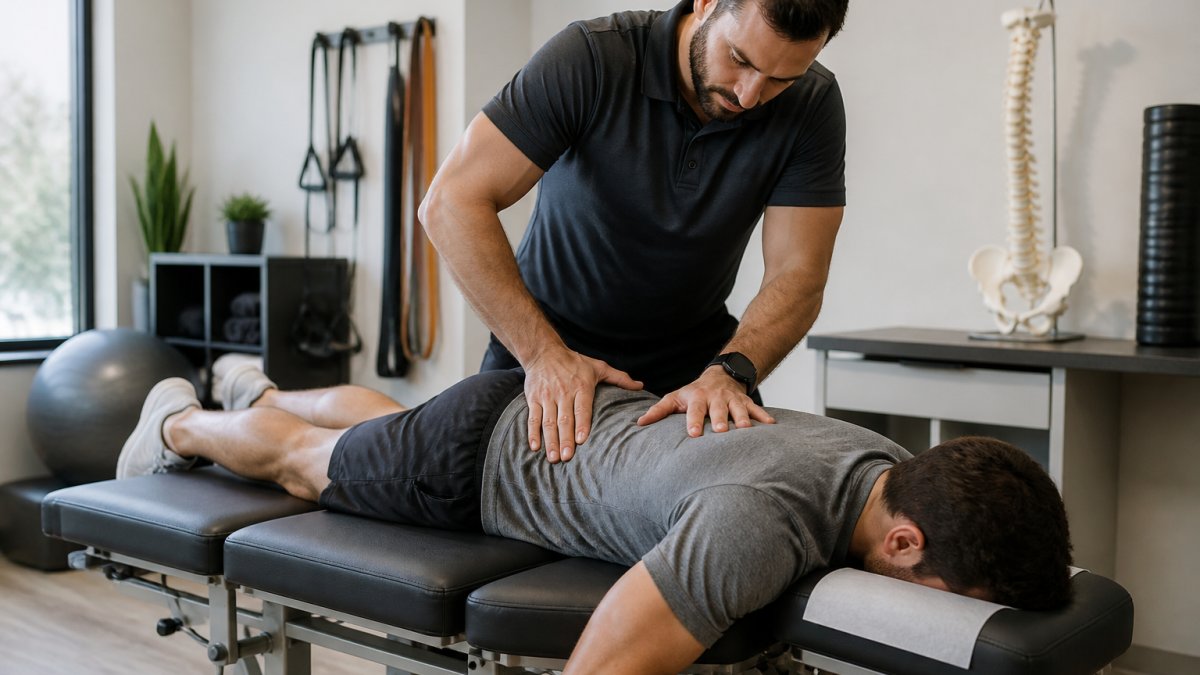
When you visit sports injury chiropractors, your visit begins with a comprehensive clinical assessment: they review your medical history, discuss your injury, and perform orthopedic and neurological tests to identify the root cause of your pain rather than just treating symptoms.
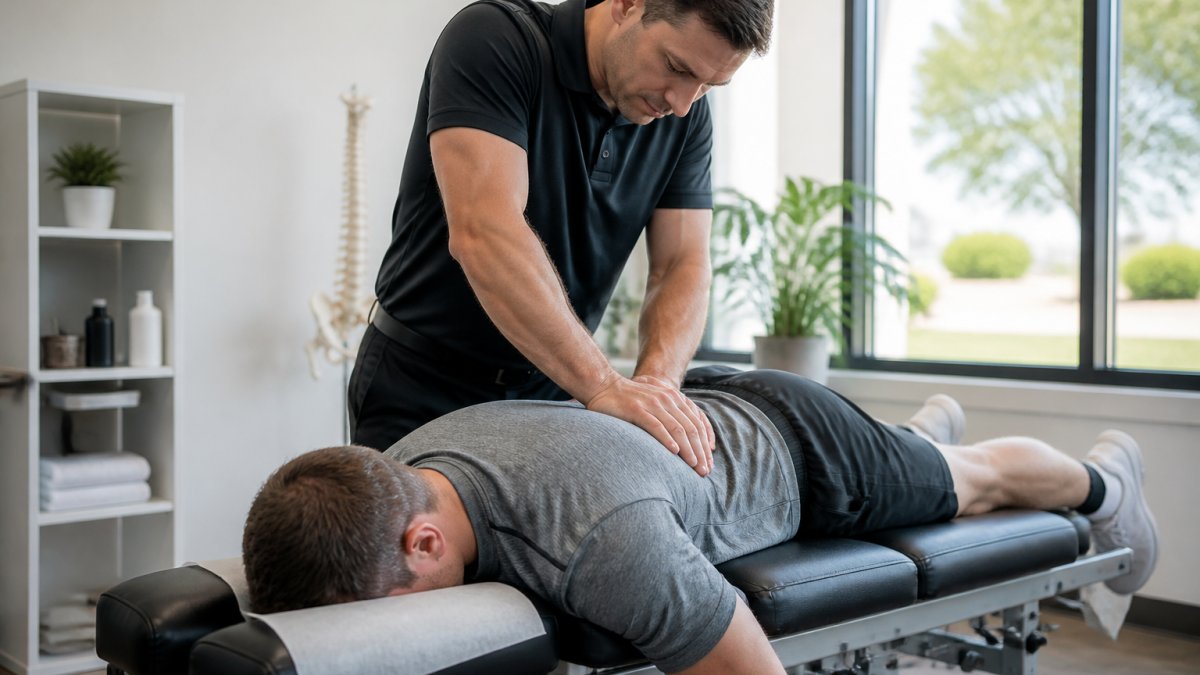
Your chiropractor performs manual therapy techniques, spinal adjustments, soft tissue therapy, or joint mobilization, to restore range of motion and reduce inflammation. Many patients notice improved movement and decreased pain within the first few sessions.
Your chiropractor explains what they’re doing, answers your questions, and discusses your rehabilitation plan, ensuring you understand your treatment and feel comfortable throughout the process.
Home-Based Maintenance Exercises: Your Recovery Homework
Before you leave, you’ll receive personalized home-based maintenance exercises critical for accelerating recovery and preventing re-injury. Consistency with prescribed exercises often determines how quickly athletes return to their sport.
Common home-care assignments include:
- Mobility drills (e.g., gentle spinal rotations, hip flexor stretches) performed 1-2 times daily to maintain range of motion between sessions
- Stabilization exercises (e.g., planks, bird-dogs, glute bridges) to strengthen supporting muscles and reduce compensatory strain
- Soft tissue self-care (e.g., foam rolling, lacrosse ball trigger-point release) to manage inflammation and muscle tension
- Postural corrections and ergonomic modifications for your work or training environment
Your chiropractor demonstrates each exercise, explains correct form, and provides written or video instructions. Most athletes perform these exercises 3-5 times per week for 10-15 minutes per session. Skipping home exercises significantly extends recovery and increases re-injury risk.
Keep a simple log of your home exercises, check them off as you complete them. This builds accountability and gives your chiropractor concrete data on your compliance, which directly influences treatment adjustments and recovery speed.
Integration with Your Primary Care Physician
For complex or severe injuries, your sports injury chiropractor may recommend coordination with your primary care physician or orthopedic surgeon to ensure chiropractic care complements other medical treatment.
Your chiropractor communicates directly with your physician to share assessment findings and treatment progress. This collaboration is especially important for injuries involving fractures, ligament tears, or structural damage requiring orthopedic oversight.
How Chiropractic Adjustment for Back Pain Works
Chiropractic adjustment for back pain restores proper spinal alignment, which influences musculoskeletal function and pain levels. When vertebrae become misaligned, they restrict nerve function and create inflammation. An adjustment restores normal joint mechanics, reducing pressure on nerves and soft tissues.
Spinal Alignment and Musculoskeletal Function
When spinal segments lose proper alignment, surrounding muscles compensate, leading to chronic tension and pain. A spinal adjustment realigns these segments, allowing your neuromuscular system to function more efficiently.
An adjustment applies controlled force to restore normal biomechanics, how your body moves and distributes force. Athletes benefit significantly because restored spinal alignment improves functional movement patterns and reduces injury risk.
Recovery involves multiple visits over several weeks. Your chiropractor monitors progress through follow-up assessments and adjusts your treatment plan based on your response.
Return-to-Play Protocols: Structured Timelines by Sport
A key aspect of sports injury chiropractic care is establishing a clear return-to-play protocol, a structured timeline guiding progression from injury to full athletic participation, accounting for sport-specific demands.
A typical return-to-play framework includes four phases:
Phase 1: Pain Management and Mobility (Weeks 1-2)
Reduce acute pain and restore basic range of motion through 2-3 weekly sessions, gentle home exercises, and activity modification. Most athletes can resume light walking or swimming.
Phase 2: Strengthening and Functional Movement (Weeks 3-4)
Introduce progressive strengthening exercises and sport-specific movement patterns (e.g., controlled jogging for runners, light-load form practice for weightlifters). Sessions reduce to 1-2 per week.
Phase 3: Sport-Specific Training (Weeks 5-6)
Gradually increase intensity and complexity of sport-specific movements. Your chiropractor monitors form and pain response, adjusting intensity as needed.
Phase 4: Full Return to Competition (Week 7+)
Once you demonstrate pain-free performance at full intensity, you’re cleared for unrestricted competition. Maintenance visits 1-2 times monthly help prevent re-injury.
Athletes who rush through phases or skip strengthening exercises significantly increase their risk of re-injury. A structured protocol may feel slow, but it prevents setbacks that extend your time away from sport by weeks or months.
Sport-Specific Timeline Examples:
- Running injuries (IT band syndrome, lower back strain): 4-6 weeks to full return
- Weightlifting injuries (lumbar strain, disc irritation): 5-8 weeks to full return
- Contact sports (football, soccer, hockey): 6-8 weeks to full return, including sport-specific agility and collision drills
- Overhead sports (baseball, volleyball, tennis): 6-10 weeks, depending on shoulder or thoracic involvement
Your specific timeline depends on injury severity, your baseline fitness level, and your consistency with home exercises and treatment.
Soft Tissue Therapy and Joint Mobilization
Soft tissue therapy complements spinal adjustments by addressing muscle tension, inflammation, and myofascial restrictions through trigger point therapy or myofascial release, reducing pain and improving movement.
Joint mobilization uses gentle, controlled movements to restore proper joint function without adjustment force. Combined with corrective exercises, it accelerates return-to-play timelines while protecting healing tissues.
Top Sports Injury Chiropractors in San Antonio: Quick Comparison
| Provider | Specialization | Best For | Key Strength |
|---|---|---|---|
| Moore Chiropractic | Personalized sports injury recovery | Athletes seeking gentle, customized care | Complimentary evaluation and advanced techniques |
| Stratton Sport & Spine | Athlete-focused rehabilitation | Active families wanting pain-free movement | Integrated spine therapy approach |
| Castle Hills Chiropractic | Evidence-based athletic care | Athletes requiring clinical-grade outcomes | High-level clinical expertise |
| Cross Timbers Chiropractic | Sports injury management | Individuals seeking injury prevention | Treatment and prevention education |
| Stone Oak Spine & Sport | Active lifestyle rehabilitation | Athletes in the Stone Oak area | Niche sports-focused specialization |
1. Moore Chiropractic: Personalized Sports Injury Recovery
Moore Chiropractic stands out as the top choice for athletes in the area seeking personalized care tailored to their specific injury and performance goals. Our team combines gentle chiropractic techniques with advanced methods to restore peak physical performance. We understand that every athlete’s injury is unique, so we develop individualized recovery plans rather than applying one-size-fits-all protocols.
What sets us apart is our commitment to both immediate pain relief and long-term health maintenance. During your complimentary evaluation and consultation, we assess not just your current injury but also underlying biomechanical issues that may have contributed to it. This comprehensive approach prevents recurring problems and keeps you performing at your best.
The key is consistency with home exercises and following your prescribed treatment plan.
We address many sports injuries, from acute strains and sprains to chronic overuse conditions. Whether you’re recovering from a recent injury or managing long-standing pain from years of athletic activity, our expertise in musculoskeletal rehabilitation provides the clinical assessment and hands-on treatment you need. Our gentle techniques ensure you feel comfortable and supported throughout your recovery journey.
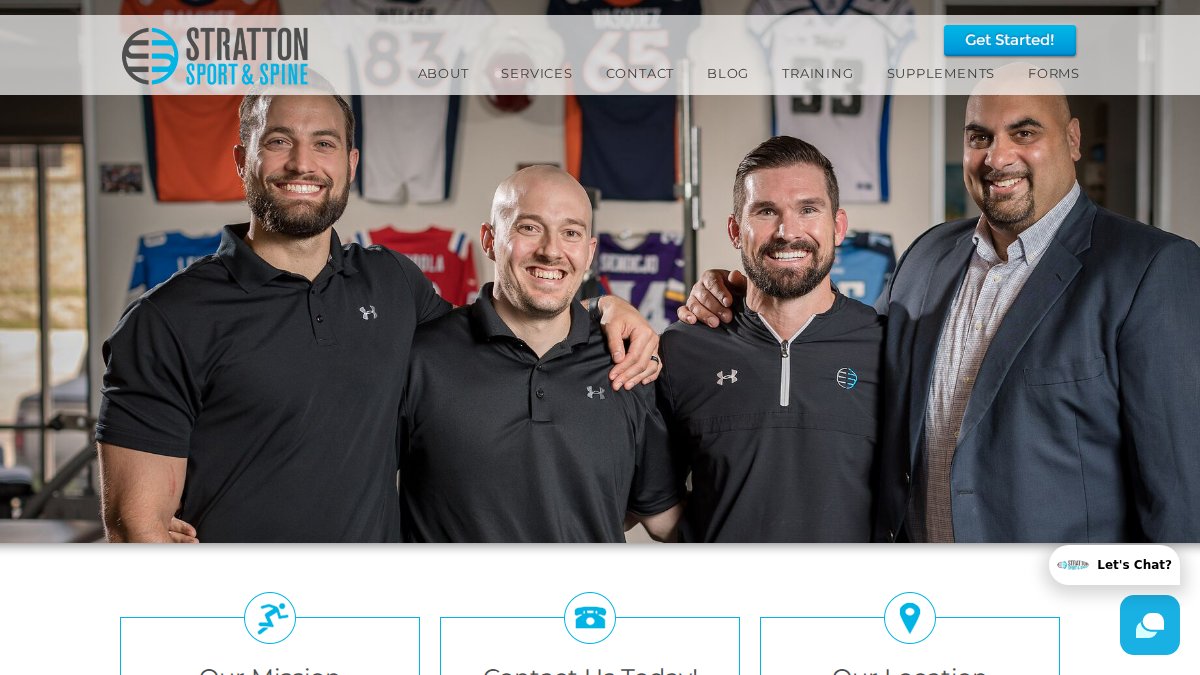
2. Stratton Sport & Spine: Athlete-Focused Rehabilitation
Stratton Sport & Spine specializes in helping active families move pain-free through integrated spine therapy and chiropractic adjustments. Their approach emphasizes restoration of functional movement patterns, which is essential for athletes returning to competition. They combine traditional spinal adjustments with corrective exercises designed to address the specific demands of your sport.
Their team focuses on understanding how your injury affects your athletic performance. Rather than just treating pain, they work toward complete rehabilitation that allows you to return to your sport stronger and more resilient. This performance-focused philosophy resonates with serious athletes who want more than temporary relief.
Families with multiple athletes or active individuals who want integrated care addressing both immediate injury recovery and long-term wellness.
The clinic’s emphasis on spine health and athletic rehabilitation makes it a solid choice for those prioritizing return-to-play protocols. They understand that athletes have different recovery timelines and goals than non-athletic patients, and they tailor their approach accordingly.
3. Castle Hills Chiropractic: Evidence-Based Athletic Care
Castle Hills Chiropractic, led by Dr. Brent Johnson, brings clinical expertise and evidence-based protocols to sports injury treatment. Their approach emphasizes measurable outcomes and performance optimization, making them ideal for athletes who want data-driven proof that their treatment is working.
The clinic uses specialized assessment techniques to identify biomechanical issues contributing to your injury. This diagnostic precision allows them to design targeted treatment plans addressing root causes rather than just symptoms. Their focus on clinical-grade outcomes means you’ll see documented progress through follow-up assessments and functional movement tests.
What distinguishes them is their commitment to athletic performance enhancement. Beyond treating injury, they work to improve your functional capacity and resilience. This is particularly valuable for competitive athletes who want to return not just pain-free but stronger than before the injury.
4. Cross Timbers Chiropractic: Injury Prevention and Treatment
Cross Timbers Chiropractic takes a balanced approach, addressing both active injury treatment and long-term prevention strategies. Their team educates patients on injury prevention, helping you understand the biomechanical factors that led to your injury so you can avoid similar problems in the future.
Their targeted sports injury assessment identifies not just the current problem but also underlying vulnerabilities in your movement patterns. Once identified, they address these through chiropractic adjustments, soft tissue therapy, and corrective exercises. This comprehensive strategy reduces your risk of chronic pain or recurring injury.
Many athletes ignore injury prevention until they’re already hurt. Cross Timbers emphasizes the importance of addressing biomechanical issues early, before they become significant injuries that sideline you from your sport.
For those seeking professional chiropractic support specifically for sports-related trauma, their combination of treatment and prevention education provides real value. They understand that injury recovery is only half the battle; staying healthy requires ongoing attention to movement quality and body mechanics.
5. Stone Oak Spine & Sport: Active Lifestyle Rehabilitation
Choosing the right sports injury chiropractor in the area depends on your specific needs, injury type, and recovery goals. Moore Chiropractic combines personalized care, gentle techniques, and a commitment to long-term health maintenance. Our complimentary evaluation allows you to experience our approach firsthand and determine if chiropractic care is right for your situation.
If you’re dealing with a sports injury, chronic pain from athletic activity, or want to optimize your performance while preventing future problems, contact Moore Chiropractic today. We’ll conduct a thorough clinical assessment, explain our findings, and develop a personalized recovery plan designed to get you back to doing what you love. Schedule your complimentary consultation and take the first step toward peak physical performance and long-term wellness.
Frequently Asked Questions
Can chiropractors help with sports injuries?
Yes. Chiropractors use spinal adjustment, soft tissue therapy, and joint mobilization to address musculoskeletal injuries common in athletes. These techniques reduce inflammation, restore range of motion, and support functional movement recovery. Many athletes use chiropractic care alongside other treatments to accelerate healing and return to play. A qualified sports injury chiropractor will assess your injury, create a personalized recovery plan, and monitor your progress over time.
What are the benefits of chiropractic for sports performance?
Chiropractic care enhances sports performance by improving biomechanics, reducing chronic pain, and optimizing neuromuscular function. Regular adjustments increase range of motion, correct postural imbalances, and support active recovery between training sessions. Athletes report better movement quality, fewer injury recurrences, and faster return-to-play timelines. A comprehensive wellness plan that includes corrective exercises and maintenance care helps sustain peak physical performance long-term.
How do I know if a sports injury chiropractor is qualified?
Look for a Doctor of Chiropractic (D.C.) license from the state board, specialized training or certification in sports injury care, and experience treating athletes in your sport. Ask about their diagnostic approach, whether they use clinical assessment and imaging, and how they integrate care with primary care physicians or orthopedic specialists. A qualified provider will offer a complimentary consultation, explain their treatment philosophy clearly, and set realistic recovery timelines based on your specific injury.
What should I expect during my first visit for a sports injury?
Your first visit typically includes a detailed injury history, physical examination to assess range of motion and biomechanics, and possibly diagnostic imaging. The chiropractor will explain their findings and outline a personalized treatment plan with expected visit frequency and recovery timeline. Many clinics offer a complimentary evaluation to help you decide if chiropractic care is right for your injury. Be prepared to discuss your sports activities, previous injuries, and current pain levels.